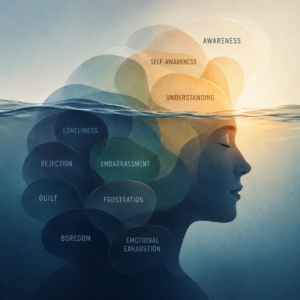

Addiction recovery is a long and challenging journey that requires a lot of effort, patience, and commitment. The process of recovery involves not only breaking free from substance abuse but also rebuilding one’s life, relationships, and overall well-being. One of the most important aspects of addiction recovery is self-care. Self-care is the practice of taking care of oneself physically, emotionally, and mentally. In this blog post, we will discuss the importance of healthy self-care in addiction recovery.
Self-care is an essential component of addiction recovery because it helps individuals cope with the physical, emotional, and psychological effects of addiction. Addiction takes a toll on the body and mind, leaving individuals feeling depleted, exhausted, and overwhelmed. Self-care practices such as exercise, healthy eating, and getting enough sleep can help individuals regain their physical strength and energy.
In addition to physical self-care, emotional and mental self-care are equally important. Addiction often stems from underlying emotional and psychological issues such as trauma, depression, anxiety, or stress. Therefore, addressing these issues is crucial for long-term recovery. Self-care practices such as therapy, meditation, mindfulness, and journaling can help individuals manage their emotions, reduce stress, and improve their mental well-being.
Self-care can also help individuals build a strong support system, which is crucial for addiction recovery. It is essential to have people around who can offer love, support, and encouragement during difficult times. Self-care practices such as joining a support group, attending meetings, or volunteering can help individuals connect with others who are going through similar experiences.
Self-care is not only important during the recovery process but also for maintaining sobriety in the long-term. It is crucial to develop healthy habits and routines that support one’s recovery. Self-care practices such as practicing gratitude, setting boundaries, and avoiding triggers can help individuals maintain their sobriety and prevent relapse.
In conclusion, self-care is an essential component of addiction recovery. It helps individuals cope with the physical, emotional, and psychological effects of addiction, build a strong support system, and maintain their sobriety in the long-term. Therefore, it is crucial for individuals in recovery to prioritize self-care and develop healthy habits and routines that support their well-being.
If you or a loved one is struggling with addiction, please reach out to Sarasota Addiction Specialists. Our team of professionals is dedicated to helping individuals overcome addiction and achieve long-term recovery. You can contact us at (941) 444-6560 or visit our website at www.sarasotaaddictionspecialists.com. Remember, recovery is possible, and we are here to help.
References:
1. https://www.ncbi.nlm.nih.gov/pmc/articles/PMC5846112/
2. https://www.ncbi.nlm.nih.gov/pmc/articles/PMC6103580/
3. https://www.ncbi.nlm.nih.gov/pmc/articles/PMC6142020/
4. https://www.ncbi.nlm.nih.gov/pmc/articles/PMC5846112/
5. https://www.ncbi.nlm.nih.gov/pmc/articles/PMC6103580/