


After a Return to Substance Use: How to Take the Next Step

After using alcohol or another drug again, you may feel embarrassed, frightened, or unsure whether you can return to treatment. You may want to wait until you have a better explanation. A safer next step is to focus on what is happening now and reconnect with support as soon as you can. You do not […]
Supporting Recovery Without Losing Your Own Boundaries
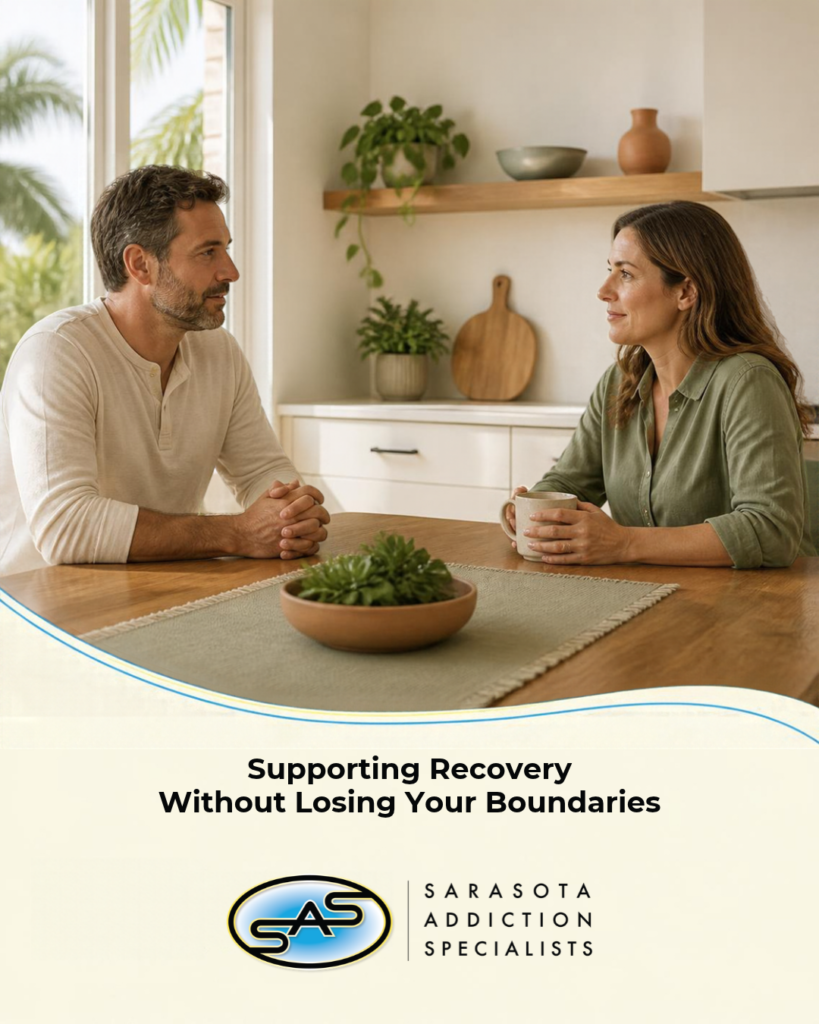
When someone you love is struggling with substance use, support can begin to feel like a job with no ending. You may be answering late-night calls, paying unexpected bills, or trying to keep everyone else calm. It is possible to care deeply and still name what you can realistically offer. Clear boundaries can make that […]
When Anxiety and Substance Use Become Part of the Same Conversation

You may have started drinking to quiet anxious thoughts, used another substance to get through social situations, or noticed that anxiety became harder to manage as your use changed. It can be difficult to know which concern came first. You do not have to answer that question on your own before asking for help. Describe […]
Building a Recovery Routine That Fits Real Life
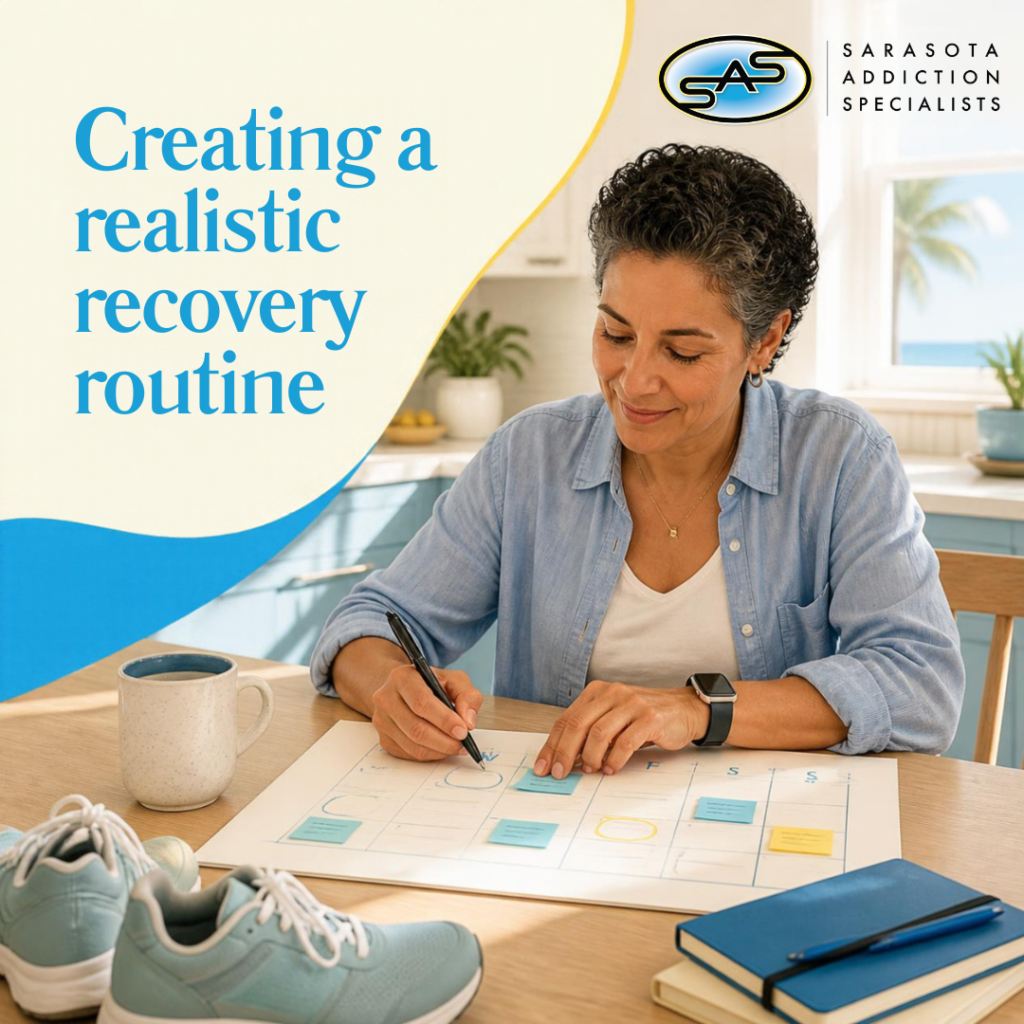
Recovery often happens alongside the rest of life. There may still be a morning commute, a child who needs a ride, an unpredictable work schedule, or a pile of bills. A routine that assumes unlimited time and energy can fall apart quickly. A more useful routine makes room for care inside the life you actually […]
How to Handle Cravings Without Facing Them Alone

A craving can arrive in an ordinary moment: driving past a familiar bar, finishing a stressful workday, or sitting alone after everyone else goes to bed. The urge may feel uncomfortable, distracting, or surprisingly strong. Having a craving does not mean you have already returned to substance use or that your effort has stopped mattering. […]
How an Individualized Addiction Treatment Plan Is Built

An addiction assessment gathers information. A treatment plan turns that information into action. It should explain what the care team and patient are working on, which services will support that work, how progress will be recognized, and when the plan will be reviewed. A useful plan is individualized. Two people who use the same substance […]
How to Prepare for Your First Addiction Treatment Assessment

Making the first call for addiction treatment can feel like crossing a threshold. You may worry that you will be judged, pressured into a program, or expected to remember every detail of your substance use. A good assessment is not a test and it is not a demand that you arrive with a perfect plan. […]
What Outpatient Addiction Treatment Actually Looks Like

Many people delay addiction treatment because they picture only one option: leaving work and family for a residential facility. Residential care is important for some people, but it is not the only form of treatment. Outpatient addiction treatment allows a person to live at home and attend scheduled services in the community when that level […]
When a Loved One Refuses Addiction Help: What Families Can Do

Watching someone you care about struggle with alcohol or other drugs can create fear, anger, confusion, and urgency. You may see consequences clearly while the other person minimizes them, promises change, or rejects every suggestion of treatment. Families often feel trapped between doing too much and doing nothing. You cannot control another adult’s decision to […]
Fentanyl Awareness: How to Recognize and Respond to an Opioid Overdose

Fentanyl continues to affect families across the country, including people who never intended to take an opioid. Illegally manufactured fentanyl may be mixed into heroin, cocaine, methamphetamine, or counterfeit pills made to resemble legitimate prescription medications. National Fentanyl Prevention and Awareness Day on August 21 is an opportunity to replace fear and stigma with practical […]