Why Boredom Can Be a Trigger in Recovery
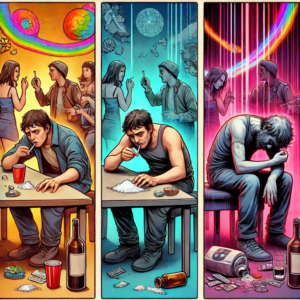
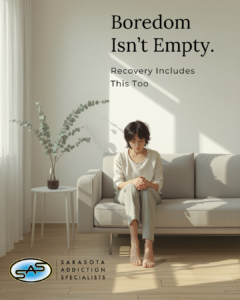
Boredom is often treated like a minor inconvenience, but in recovery it can carry more weight than people expect. When substance use is no longer part of daily life, a person is not only removing a harmful coping mechanism, they are also changing how time feels. Hours that once passed in a blur can suddenly feel long, quiet, and difficult to fill.
That shift can be deeply uncomfortable. For many people, substances were tied to stimulation, routine, escape, or simply something to do. Without them, boredom can start to feel like more than a passing mood. It can feel like emptiness, agitation, loneliness, or emotional discomfort. In that way, boredom becomes more than idle time. It can become a real trigger.
Boredom Is Not Just “Having Nothing to Do”
In recovery, boredom is rarely just about a lack of entertainment. It is often connected to the loss of old habits and familiar patterns. Substance use may have structured evenings, weekends, or social situations. Even unhealthy routines can feel stabilizing when they are repeated often enough.
Once those routines are removed, people may find themselves unsure of what to do with their time. That uncertainty can create restlessness. It can also make recovery feel less rewarding in the short term, especially early on, when the brain is still adjusting to life without substances.
For some, boredom also creates space for difficult thoughts and feelings that substances once helped numb. A quiet afternoon can quickly turn into rumination, cravings, or a strong urge to escape discomfort.
Why Boredom Can Increase Relapse Risk
Boredom increases relapse risk because it lowers engagement and makes old patterns feel more appealing. When a person feels disconnected, restless, or emotionally flat, the brain may start searching for something familiar that promises relief or stimulation.
This is especially true when boredom overlaps with other risk factors like stress, isolation, anxiety, or depression. Unstructured time can make cravings louder. It can also create opportunities to romanticize past substance use or minimize the consequences of relapse.
That does not mean boredom automatically leads to relapse. It means boredom deserves attention. Recognizing it as a trigger allows people to prepare for it rather than be caught off guard by it.
Learning How to Use Time Differently
Part of recovery is learning how to relate to time in a healthier way. This does not mean staying busy every minute of the day. Constant distraction is not the goal. Instead, the goal is to create enough structure and meaning that boredom does not quietly take over.
Healthy engagement can include routines, hobbies, movement, creative outlets, volunteering, work goals, social connection, or simple daily responsibilities. Small rituals can help too, such as morning walks, meal planning, journaling, or setting a schedule for the evening.
The point is not to become productive at all times. The point is to build a life that feels more intentional. Recovery becomes stronger when time is shaped by purpose rather than impulse.
Therapy Can Help Identify the Pattern
Therapy can help people understand what boredom really represents in their lives. Sometimes it is a lack of structure. Sometimes it is emotional avoidance. Sometimes it reflects grief, depression, or uncertainty about identity in recovery.
Individual therapy gives people a space to look at those patterns honestly and build better coping strategies. Group therapy can also be especially helpful during periods of unstructured time because it provides support, accountability, and connection. Being around others in recovery can reduce isolation and make it easier to stay grounded when restlessness starts to build.
Learn more about group therapy.
Finding Balance in Recovery
A healthy recovery lifestyle includes both engagement and rest. The answer is not to fear boredom or eliminate every quiet moment. Instead, it is to respond differently when boredom shows up. With support, structure, and awareness, people can learn to move through those moments without returning to old habits.
Sarasota Addiction Specialists offers outpatient addiction treatment in Sarasota, Florida.
Call (941) 444-6560 or visit
https://www.sarasotaaddictionspecialists.com