
Addiction can affect nearly every part of a person’s life, including the ability to trust their own judgment. During active substance use, decisions may have been shaped by cravings, fear, denial, or the immediate need to avoid discomfort. Choices that once seemed reasonable may have eventually caused harm to the individual or the people around them.
When recovery begins, many people become painfully aware of those past decisions. Instead of feeling relieved to have a clearer mind, they may begin questioning everything they do.
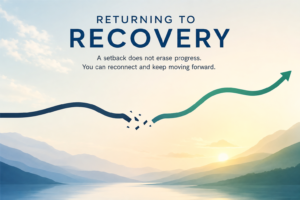
Rebuilding self-trust is an important part of long-term recovery, but it rarely happens overnight.
Why Decision-Making Can Feel Difficult in Recovery
Early recovery involves many significant choices. A person may need to reconsider friendships, employment, living arrangements, routines, and relationships. Even seemingly small decisions can feel overwhelming when someone no longer trusts their instincts.
Common thoughts may include:
- “What if I make another bad decision?”
- “How do I know whether I am thinking clearly?”
- “Should I trust myself or ask someone else?”
- “What if this choice threatens my recovery?”
This uncertainty is understandable. Recognizing that past choices had negative consequences can create fear around making new ones. However, avoiding every decision or depending completely on others can prevent confidence from returning.
Self-Trust Is Rebuilt Through Practice
Trusting yourself again does not mean assuming that every choice will be perfect. No one makes the right decision every time. Self-trust means believing that you can slow down, consider the available information, seek guidance when necessary, and respond responsibly to the outcome.
It often begins with smaller choices. Following through on a commitment, attending a scheduled therapy session, setting a boundary, or leaving an uncomfortable environment can provide evidence that you are capable of protecting your recovery.
Each healthy decision becomes a small promise kept to yourself.
Over time, those moments begin to challenge the belief that your judgment is permanently unreliable.
Learn to Pause Before Reacting
During active addiction, decisions may become impulsive or focused on immediate relief. Recovery creates an opportunity to develop a different process.
Before making an important choice, it may help to ask:
- Am I responding to facts or reacting to fear?
- Does this decision support my recovery goals?
- Am I ignoring a concern because the alternative feels uncomfortable?
- Have I discussed this with someone I trust?
- How will I feel about this decision tomorrow?
Pausing does not mean overthinking every possibility. It means giving yourself enough time to respond intentionally instead of automatically.
Support Does Not Mean Giving Away Your Independence
Asking for help is not proof that you cannot trust yourself. Healthy decision-making often includes seeking perspective from counselors, recovery peers, sponsors, family members, or other trusted supports.
The goal is not to let someone else make every decision. It is to gather information, notice your own reactions, and make a thoughtful choice that reflects your values.
Through individual therapy and counseling, people can explore the fear, shame, or past experiences that make self-trust difficult. Structured treatment can also help clients recognize unhealthy patterns while developing stronger coping and decision-making skills.
Recovery Gives You New Evidence
You are not required to judge your current abilities only by the decisions you made during active addiction. Recovery gives you the chance to collect new evidence about who you are and what you are capable of doing.
Attending treatment, asking for support, maintaining boundaries, repairing relationships, and choosing not to use are all decisions. They demonstrate awareness, courage, and growth.
Sarasota Addiction Specialists provides Intensive Outpatient Program treatment and personalized counseling for people working to build stable, meaningful lives in recovery.
To learn more about addiction treatment in Sarasota, call (941) 444-6560 or contact Sarasota Addiction Specialists.