
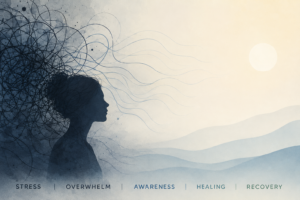
Stress Changes How People Cope
Stress affects both the mind and body. During periods of high stress, emotional regulation becomes more difficult, impulsive thinking increases, and old coping patterns can return quickly.
For people recovering from substance use disorders, stress is one of the most common relapse risks. Even when someone is highly motivated to stay sober, overwhelming emotional pressure can make recovery feel much harder to maintain.
Stress narrows focus. It becomes more difficult to think long-term, stay emotionally grounded, or access healthy coping strategies in the moment. When the nervous system feels overloaded, the brain naturally looks for fast relief.
For many people, substances once served as that relief.
This is one reason stress can become such a powerful trigger during recovery.
Why Stress Becomes a Relapse Trigger
Substances are often used as a way to temporarily escape emotional discomfort, anxiety, pressure, or exhaustion. Over time, the brain begins connecting stress with substance use as a coping response.
Even after someone stops using, those old neurological pathways can still become activated during difficult periods.
This does not mean someone is weak or failing in recovery. It means the brain learned a survival pattern that takes time and support to change.
Stressful situations such as financial pressure, relationship conflict, work burnout, legal problems, family responsibilities, or emotional isolation can all increase relapse vulnerability. Sometimes the stress is obvious. Other times it builds gradually in the background until emotional exhaustion becomes difficult to manage.
Without awareness, people may begin slipping back into unhealthy coping patterns before they fully realize how overwhelmed they have become.
Chronic Stress Creates Emotional Exhaustion
Short-term stress can sometimes feel manageable. Chronic stress is different.
When stress remains elevated for long periods of time, emotional exhaustion often develops. This can affect concentration, sleep, patience, motivation, and emotional stability. Recovery routines that once felt manageable may suddenly begin to feel draining.
People experiencing chronic stress may notice:
- Increased irritability
- Difficulty sleeping
- Emotional numbness
- Anxiety or racing thoughts
- Feeling mentally overwhelmed
- Loss of motivation
- Increased cravings
- Withdrawal from support systems
As emotional exhaustion grows, people often begin isolating. They may skip therapy appointments, disengage from support groups, stop communicating openly, or avoid healthy routines that previously helped them stay stable.
Unfortunately, isolation tends to increase stress further.
This creates a cycle where stress builds, support decreases, and relapse risk grows stronger over time.
Stress Management Is Part of Recovery
Many people think recovery is only about avoiding substances. In reality, recovery also involves learning how to respond differently to emotional discomfort.
Stress management is not about eliminating all stress from life. That is impossible. Instead, it involves building healthier ways to regulate emotions, tolerate discomfort, and recover from overwhelming experiences without returning to substance use.
Healthy stress management may include:
- Consistent therapy
- Structured daily routines
- Exercise and movement
- Better sleep habits
- Emotional awareness
- Support groups
- Setting boundaries
- Mindfulness and grounding techniques
- Healthy social connection
These tools help reduce emotional overload before it becomes unmanageable.
Recovery becomes more sustainable when people learn to recognize stress earlier rather than waiting until they feel completely overwhelmed.
Therapy Helps Build Stress Tolerance
Therapy plays an important role in helping people understand their stress patterns and develop healthier coping skills.
Individual therapy helps people identify emotional triggers, recognize warning signs of burnout, and improve emotional regulation. Many people also benefit from learning how past experiences, trauma, perfectionism, anxiety, or unresolved emotional pain contribute to chronic stress.
Group therapy can be especially valuable during stressful periods because it reduces isolation and increases accountability.
Hearing from others who understand recovery challenges can help people feel less alone while building healthier perspectives on stress and coping.
You can learn more about group therapy here:
https://www.sarasotaaddictionspecialists.com/php/
Recovery Requires Support During Difficult Seasons
Stressful periods are a normal part of life. Recovery does not require perfection. It requires support, awareness, and healthier responses during difficult moments.
Learning how to manage stress more effectively is one of the most important parts of long-term sobriety. The goal is not to avoid challenges completely, but to develop the ability to move through them without returning to harmful coping mechanisms.
Sarasota Addiction Specialists offers outpatient addiction treatment in Sarasota, Florida.
Call (941) 444-6560 or visit the website to learn more about available treatment and support options.