Addiction is a complex and multifaceted issue that affects millions of people worldwide. Understanding the process from experimentation to dependency is crucial for both individuals and their loved ones. By recognizing the stages of addiction and the underlying factors, we can better support those struggling with addiction and provide effective interventions.
Stages of Addiction: Experimentation – The Initial Phase
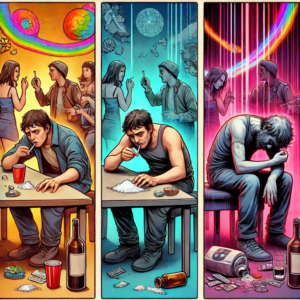
The journey toward addiction often begins with experimentation. This phase typically involves the casual or recreational use of substances such as alcohol, marijuana, prescription medications, or illicit drugs. People experiment with drugs for various reasons, including curiosity, peer pressure, or the desire to experience new sensations. During this stage, substance use is often infrequent and may not seem problematic. However, experimentation can quickly lead to more regular use, especially if the individual enjoys the effects of the substance.
Stages of Addiction: Regular Use – The Escalation
As individuals continue to use a substance, they may transition from experimentation to regular use. This stage is characterized by more frequent consumption, often in social settings. The substance becomes a part of the person’s routine, and they may start using it to cope with stress, anxiety, or other emotional challenges. During this phase, the risks of developing a dependency increase, especially if the individual begins to rely on the substance to function normally.
Risk Factors and Vulnerabilities
Several risk factors can increase the likelihood of progressing from regular use to dependency. These include genetic predisposition, mental health issues, environmental influences, and social factors. According to the National Institute on Drug Abuse (NIDA), genetics can account for about 40-60% of an individual’s vulnerability to addiction. Additionally, people with mental health disorders, such as depression or anxiety, are more susceptible to substance abuse as they may use drugs or alcohol as a form of self-medication.
Stages of Addiction: Risky Use – The Warning Signs
During the risky use phase, individuals begin to experience negative consequences from their substance use. These consequences can include problems at work or school, strained relationships, legal issues, and health complications. Despite these adverse effects, the individual continues to use the substance, often justifying their behavior or downplaying the severity of their situation. Recognizing the warning signs of risky use is critical, as it indicates that the person is on the verge of developing a dependency. For more information about how addiction can affect your career, check out this post.
Stages of Addiction: Dependency – The Critical Stage
Dependency, or addiction, is marked by a compulsive need to use a substance despite the harmful consequences. At this stage, the individual has developed a tolerance, meaning they require larger amounts of the substance to achieve the desired effects. Withdrawal symptoms, such as anxiety, irritability, nausea, and tremors, occur when the substance is not available. The person’s life revolves around obtaining and using the substance, leading to a significant impact on their physical and mental health, relationships, and overall well-being.
The Importance of Early Intervention
Early intervention is key to preventing the progression from experimentation to dependency. Education and awareness play a crucial role in helping individuals understand the risks associated with substance use. If you suspect that a loved one is struggling with substance abuse, it’s essential to approach the situation with empathy and support. Encourage them to seek professional help and provide resources that can guide them toward recovery.
At Sarasota Addiction Specialists, we offer comprehensive outpatient treatment programs tailored to meet the unique needs of each individual. Our approach combines evidence-based therapies, counseling, and support to help clients overcome addiction and reclaim their lives. We understand that the journey to recovery is challenging, but with the right support and resources, it is possible to achieve lasting sobriety.
Reach Out for Help
If you or a loved one is struggling with addiction, don’t wait to seek help. Early intervention can make a significant difference in the outcome. Contact Sarasota Addiction Specialists today at (941) 444-6560 or visit our website at www.sarasotaaddictionspecialists.com. Our dedicated team is here to support you every step of the way, offering compassionate care and expert guidance on the path to recovery.
By providing education about the stages of addiction, we hope to empower individuals and their families to take proactive steps toward recovery. Remember, addiction is a treatable condition, and with the right help, you can overcome it and lead a fulfilling, healthy life.
At Sarasota Addiction Specialists, we are committed to providing the highest quality of care to help you or your loved one overcome addiction. Reach out today and take the first step toward a brighter future.