
Why Pleasure Feels Different in Recovery
One of the most discouraging parts of early recovery is realizing that things do not feel as enjoyable as they used to. Music may seem flat. Food may feel less exciting. Socializing, hobbies, or even moments of rest may not bring the same sense of reward a person hoped for. This experience can be confusing, especially for someone who expected sobriety to immediately feel better.
The reason this happens is not because recovery is failing. It is because the brain is healing.
Substances artificially increase feelings of pleasure, relief, or stimulation. Over time, the brain begins to adapt to those repeated chemical surges. As that happens, natural rewards can feel less noticeable or less intense. When substance use stops, there is often a period where normal life feels emotionally muted. This can leave people feeling disappointed, restless, or emotionally disconnected.
That reaction is common, and it is a real part of the recovery process.
The Brain Needs Time to Rebalance
Healing does not happen all at once. The brain and body need time to adjust to functioning without substances. During this period, it is common for people to feel like nothing is enjoyable enough. They may wonder if life will always feel dull or if pleasure will ever return in a meaningful way.
The good news is that this phase is often temporary.
As recovery continues, the brain gradually recalibrates. Natural rewards begin to feel more accessible again. This usually happens slowly, not all at once. A person may first notice brief moments of enjoyment, maybe a genuine laugh, a peaceful walk, a good meal, or a feeling of connection during conversation. These moments can seem small, but they matter. They are signs of healing.
Patience is important during this process. Expecting immediate relief can create frustration and make it harder to stay committed. Recovery often requires trusting that progress is happening even before it feels dramatic.
Therapy Supports the Adjustment
Therapy can be especially helpful during this stage of recovery because it gives people a place to understand what is happening instead of judging themselves for it.
In individual therapy, people can explore how substance use shaped their relationship to pleasure, stress, boredom, and emotional relief. Therapy can also help reset unrealistic expectations. If someone believes they should already feel happy all the time, they may interpret normal healing discomfort as failure. Therapy helps reframe that experience with more compassion and realism.
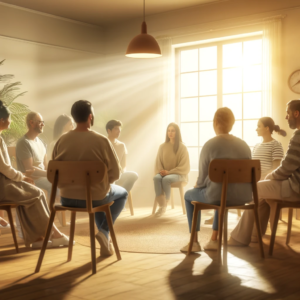
Group therapy can also be valuable. Hearing from others who have gone through the same stage can reduce shame and isolation. It helps people realize they are not alone, and that emotional flatness does not mean they are broken. It often means they are in the middle of healing.
You can learn more about one support option here:
https://www.sarasotaaddictionspecialists.com/group-therapy/
Rebuilding Enjoyment Over Time
Pleasure in recovery often returns through repetition and consistency. It is rebuilt, not forced.
This may mean showing up for daily routines even when they do not feel rewarding yet. It may mean trying healthy activities more than once before deciding they do not help. It may mean learning to appreciate quieter forms of pleasure, such as stability, connection, laughter, creativity, rest, or peace.
Over time, those experiences begin to feel more meaningful. What starts as a few scattered moments of enjoyment can slowly become a more stable sense of wellbeing. Recovery does not only involve avoiding substances. It also involves learning how to feel alive again without them.
Support Through the Process
If pleasure feels distant right now, that does not mean it is gone forever. Healing takes time, and joy often returns gradually. With support, patience, and continued recovery work, people can reconnect with the parts of life that feel meaningful, comforting, and real.
Sarasota Addiction Specialists offers outpatient addiction treatment in Sarasota, Florida.
Call (941) 444-6560 or visit:
https://www.sarasotaaddictionspecialists.com