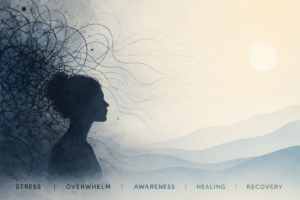

Identity Shifts in Recovery
Substance use often becomes closely tied to identity. Over time, it can influence how someone sees themselves, how they relate to others, and how they move through daily life. When substances are removed, it can leave a gap that feels unfamiliar or even unsettling.
Many people in recovery describe this phase as feeling like they are starting over. Without the routines, coping mechanisms, or social environments connected to substance use, there may be a sense of not knowing who you are anymore. This experience is not a sign that something is wrong. It is a natural and expected part of recovery.
Letting go of an old identity creates space, but that space can feel uncomfortable before it begins to feel freeing.
Why Identity Exploration Matters
Identity shapes how people make decisions, set boundaries, and define their values. When substance use has played a central role, those areas may need to be reexamined.
Recovery offers an opportunity to ask meaningful questions:
- What matters to me now?
- What kind of relationships do I want?
- What does a healthy life look like for me?
Without substances influencing behavior, people can begin to make choices that are more aligned with their true values rather than driven by habit, avoidance, or immediate relief.
This process is not about having all the answers right away. It is about becoming curious and open to change.
Therapy as Exploration
Therapy provides a structured and supportive environment for identity exploration. Instead of rushing to define yourself, therapy allows space to reflect, experiment, and grow.
In individual therapy, people can:
- Explore personal values and beliefs
- Understand patterns shaped by past experiences
- Identify strengths that may have been overlooked
Group therapy adds another layer of insight. Hearing others share similar experiences can reduce isolation and provide new perspectives. It also creates opportunities to practice authenticity and connection in a safe setting.
You can learn more about the benefits of group support here:
https://www.sarasotaaddictionspecialists.com/group-therapy/
Becoming Rather Than Fixing
One of the most important mindset shifts in recovery is moving away from the idea of being “broken.” Recovery is not about fixing a flawed version of yourself. It is about discovering who you are becoming.
Growth often happens gradually. Small moments of clarity, new choices, and different responses to stress all contribute to a developing sense of self. Over time, confidence builds as actions begin to align more closely with values.
Instead of asking, “What is wrong with me?” recovery invites a different question:
“Who am I becoming now?”
Support Through Transition
Identity exploration can feel uncertain, but it does not have to be done alone. Support provides stability during a time of change and helps make the process more manageable.
Sarasota Addiction Specialists offers outpatient addiction treatment and therapy in Sarasota, Florida, designed to support both recovery and personal growth.
Call (941) 444-6560 or visit
https://www.sarasotaaddictionspecialists.com