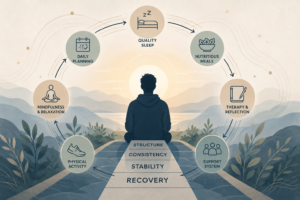

Recovery isn’t just about saying no to drugs or alcohol—it’s about saying yes to a new way of living. But for many people in recovery, there’s an invisible barrier holding them back: self-sabotage.
This quiet but destructive pattern can derail progress, strain relationships, and lead to relapse if left unchecked. The good news? Recognizing self-sabotage is the first step to breaking free from it.
What Is Self-Sabotage in Recovery?
Self-sabotage happens when you consciously or unconsciously get in the way of your own success. In recovery, it can take many forms:
-
Skipping meetings or therapy sessions without a real reason
-
Isolating yourself from supportive friends and family
-
Engaging in risky behaviors that test your sobriety
-
Negative self-talk that convinces you you’ll fail anyway
Often, these behaviors stem from fear, shame, or unresolved trauma. The mind can sometimes be more comfortable in familiar pain than in the uncertainty of change.
Why It Happens
Several factors can trigger self-sabotage during recovery:
-
Fear of Failure – If you’re convinced you’ll relapse eventually, you might “get it over with” now.
-
Fear of Success – A healthier life can mean new responsibilities, relationships, and expectations. That can be intimidating.
-
Low Self-Worth – If you’ve internalized the belief that you don’t deserve happiness or stability, you may unconsciously undermine yourself.
-
Old Coping Mechanisms – Stress or emotional discomfort can make old habits seem like the easiest escape.
Breaking the Cycle
1. Identify Your Triggers
Pay attention to patterns. Do certain people, places, or emotions consistently lead to poor decisions? Journaling can help you connect the dots.
2. Challenge Negative Self-Talk
When you catch yourself thinking, I can’t do this or I’m not good enough, counter it with something empowering, like, I am learning and growing every day.
3. Build a Strong Support Network
Lean on sober friends, support groups, or a sponsor when self-sabotaging urges creep in. Accountability makes a huge difference.
4. Set Small, Achievable Goals
Instead of aiming for perfection, focus on realistic, manageable steps. Small wins build confidence and momentum.
5. Seek Professional Help
Therapists who specialize in addiction recovery can help you uncover the root causes of self-sabotage and teach new coping strategies.
A Healthier Future Is Possible
Self-sabotage doesn’t mean you’re weak or destined to fail—it means you’re human. With awareness, support, and persistence, you can replace self-defeating patterns with habits that nurture your recovery.
If you’ve been struggling with self-sabotage, remember: change takes time, and it’s okay to ask for help along the way.
Sarasota Addiction Specialists is here to guide you through every stage of recovery, offering outpatient programs tailored to your needs. Call us today at (941) 444-6560 or visit www.sarasotaaddictionspecialists.com to start building the life you deserve.