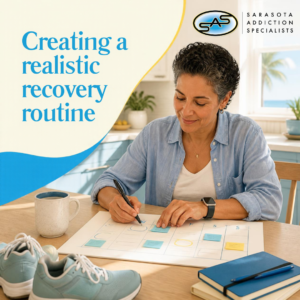

It is well-known that stress is a major trigger for addiction. Whether it is work-related stress, financial stress, or stress from personal relationships, it can be overwhelming and trigger a relapse. However, with the right tools and techniques, it is possible to manage stress and maintain sobriety during addiction recovery.
Understanding Stress in Addiction Recovery
Stress is a natural response to challenging situations. It is a physical and emotional response to external events or situations that require a response. When stress becomes chronic, it can lead to severe physical and emotional health problems. Stress can also trigger addictive behaviors as individuals may seek to self-medicate to cope with stress.
Stress can cause the release of cortisol, which is a hormone that can increase blood sugar levels, suppress the immune system, and increase blood pressure. These physical responses can lead to health problems such as heart disease, diabetes, and obesity.
Managing Stress in Addiction Recovery
Managing stress is essential for individuals in addiction recovery. Several strategies can be effective in managing stress, including:
1. Exercise: Physical activity is an excellent way to manage stress. Exercise can stimulate the release of endorphins, which are the body’s natural mood-boosting chemicals. Exercise can also reduce cortisol levels, which can help reduce the physical effects of stress.
2. Mindfulness: Mindfulness involves focusing on the present moment and accepting it without judgment. Mindfulness meditation can be an effective tool in managing stress. It can help individuals identify and acknowledge their thoughts and feelings without becoming overwhelmed by them.
3. Relaxation Techniques: Various relaxation techniques, such as deep breathing exercises, progressive muscle relaxation, and guided imagery, can help individuals manage stress. These techniques can help reduce muscle tension, slow down breathing, and calm the mind.
4. Healthy Lifestyle: A healthy lifestyle that includes a balanced diet, regular exercise, and adequate sleep can help reduce stress. A healthy lifestyle can also improve overall physical and emotional health, making individuals more resilient to stress.
5. Support System: A strong support system can help individuals manage stress. Friends, family, and support groups can provide emotional support, practical help, and encouragement during challenging times.
Conclusion
Stress is a natural part of life, but it can be challenging to manage during addiction recovery. Understanding stress and its physical and emotional effects is essential for individuals in addiction recovery. By employing the right tools and techniques, individuals can manage stress and maintain sobriety. Exercise, mindfulness, relaxation techniques, healthy lifestyle, and a strong support system can all help individuals manage stress and maintain sobriety.
At Sarasota Addiction Specialists, we understand the challenges of addiction recovery and offer comprehensive outpatient treatment for substance abuse. Our team of addiction specialists is dedicated to helping individuals achieve and maintain sobriety. Contact us today at (941) 444-6560 to learn more about our services and how we can help you or a loved one during addiction recovery.