
Anxiety and addiction are each challenging to manage on their own—but when they occur together, the effects can feel overwhelming. Co-occurring disorders (also called dual diagnosis) refer to the presence of both a mental health condition and a substance use disorder. Anxiety is one of the most common mental health issues to co-occur with addiction, and understanding how they interact is key to healing and long-term recovery.
The Vicious Cycle of Anxiety and Substance Use
People often turn to drugs or alcohol to cope with symptoms of anxiety, such as racing thoughts, restlessness, panic, or social discomfort. Substances may offer temporary relief, but this escape is short-lived. Over time, the brain becomes dependent on the substance, leading to increased anxiety, withdrawal symptoms, and a higher risk of addiction.
This creates a vicious cycle:
-
Anxiety triggers substance use.
-
Substance use worsens anxiety.
-
Increased anxiety leads to more frequent or intense substance use.
According to the National Institute on Drug Abuse (NIDA), people with anxiety disorders are twice as likely to have a substance use disorder compared to the general population.
Common Types of Anxiety Linked to Addiction
Some of the most frequent anxiety-related conditions seen alongside addiction include:
-
Generalized Anxiety Disorder (GAD) – excessive worry, even in the absence of a clear stressor
-
Panic Disorder – recurring panic attacks with intense physical symptoms
-
Social Anxiety Disorder – fear of being judged or humiliated in social situations
-
Post-Traumatic Stress Disorder (PTSD) – lingering anxiety and hypervigilance after trauma
Each of these can drive a person to self-medicate in an attempt to control symptoms.
Why Dual Diagnosis Requires Integrated Treatment
Treating anxiety and addiction separately is not effective. For sustainable recovery, integrated treatment that addresses both conditions at the same time is essential. At Sarasota Addiction Specialists, we recognize the complex ways anxiety and addiction fuel one another. Our outpatient programs offer a supportive, trauma-informed environment where clients can explore the underlying emotional pain driving their substance use.
A few components of dual diagnosis treatment may include:
-
Individual therapy – such as Cognitive Behavioral Therapy (CBT) to address negative thinking patterns
-
Medication management – when appropriate, non-addictive medications can help reduce anxiety without triggering relapse
-
Mindfulness and relaxation techniques – to calm the nervous system and reduce urges
-
Peer support groups – like those found in 12-step recovery or SMART Recovery programs
Learning New Coping Strategies
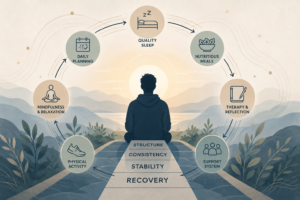
One of the most important steps in healing from co-occurring anxiety and addiction is replacing unhealthy coping mechanisms with more sustainable ones. This can include:
-
Practicing grounding techniques when anxious
-
Setting boundaries to reduce stress
-
Developing a structured daily routine
-
Prioritizing sleep and nutrition
-
Building supportive, non-judgmental relationships
Our team works with clients to build these life skills while honoring their unique emotional challenges.
You’re Not Alone
If you or someone you love is struggling with both anxiety and addiction, it’s important to know that help is available and recovery is possible. You don’t have to choose between managing your mental health and getting sober—you can do both. With compassionate, evidence-based care, individuals with co-occurring disorders can live fulfilling, healthy lives.
Sarasota Addiction Specialists is here to help. Call us today at (941) 444-6560 or visit www.sarasotaaddictionspecialists.com to learn more about our programs and how we support dual diagnosis clients. You deserve a life of peace and clarity—let us walk with you toward it.