
Understanding Dual Diagnosis: The Link Between Substance Abuse and Mental Health Conditions
In the complex world of mental health, the term “dual diagnosis” is pivotal yet often misunderstood. Dual diagnosis refers to the co-occurrence of substance abuse disorders and other mental health conditions, a common scenario that affects millions worldwide. At Sarasota Addiction Specialists, we recognize the importance of addressing both aspects to foster recovery and improve overall well-being.
What is Dual Diagnosis?
Dual diagnosis, also known as co-occurring disorders, is a term used when an individual experiences both substance abuse and another mental health disorder. This might include combinations like depression and alcohol addiction, anxiety and opioid abuse, or schizophrenia and marijuana use. Understanding the interplay between these disorders is crucial because one can often exacerbate the other, creating a cycle that can be challenging to break without proper treatment.
Why Does Dual Diagnosis Occur?
The relationship between mental health disorders and substance abuse is bidirectional and influenced by several factors:
- Self-Medication: Often, individuals with undiagnosed or untreated mental health issues may turn to drugs or alcohol as a way to self-medicate and alleviate their symptoms. For example, someone with anxiety might use alcohol to temporarily reduce their feelings of anxiety, only to find that their use escalates over time.
- Brain Impact: Both mental health disorders and substance abuse can affect similar areas of the brain, particularly those related to reward, motivation, and emotion regulation. This overlap can lead to both an increased vulnerability to addiction and a higher risk of developing mental health disorders when substance use alters brain chemistry.
- Environmental Triggers: Stressful or traumatic life experiences can trigger both substance abuse and mental health issues. Individuals exposed to high levels of stress or trauma may develop mental health disorders and turn to substance use as a coping mechanism.
- Genetic Predisposition: Genetics can play a significant role in the development of both mental health disorders and addiction. A family history of either condition increases the risk, suggesting an inherited vulnerability to dual diagnosis.
Treatment for Dual Diagnosis
Effective treatment for dual diagnosis requires an integrated approach that addresses both the substance abuse and the mental health condition concurrently. At Sarasota Addiction Specialists, our approach includes:
- Comprehensive Assessment: Each individual’s condition is thoroughly assessed to tailor a treatment plan that addresses both the substance abuse and any co-occurring mental health disorders.
- Integrated Therapy: Treatment methods such as cognitive-behavioral therapy (CBT), dialectical behavior therapy (DBT), and motivational interviewing are employed to treat both conditions simultaneously.
- Medication Management: When appropriate, medications are used to manage withdrawal symptoms, treat mental health conditions, and reduce cravings.
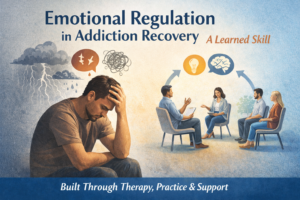
- Supportive Services: Holistic services such as group therapy, family therapy, and peer support groups are integral to recovery, providing a network of support and improving treatment outcomes.
Encouraging a Proactive Approach to Treatment
Recognizing the signs of dual diagnosis early can significantly enhance treatment efficacy. Signs include sudden changes in behavior, using substances under dangerous conditions, withdrawal from social situations, and noticeable fluctuations in mood or mental state. If you or a loved one are experiencing these symptoms, it’s crucial to seek professional help.
At Sarasota Addiction Specialists, we are dedicated to providing comprehensive and compassionate care for those struggling with dual diagnosis. Understanding the complexities of these co-occurring disorders enables us to offer more effective, personalized treatment plans. Want to learn more about dual diagnosis? Reach out to Christina for more information!
If you’re seeking help, don’t hesitate to reach out. Contact us at (941) 444-6560 or visit our website at www.sarasotaaddictionspecialists.com for more information. Recovery is a journey, and we are here to support you every step of the way.