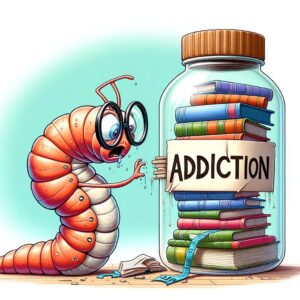

Addiction is a complex disease that affects not only physical health but also mental health. It is common for people with addiction to have co-occurring mental health disorders, such as anxiety, depression, bipolar disorder, or post-traumatic stress disorder (PTSD). These mental health disorders can make addiction recovery more challenging, but it is crucial to understand and manage them to achieve long-term sobriety.
Understanding Co-Occurring Mental Health Disorders
Co-occurring mental health disorders and addiction are often referred to as dual diagnosis. According to the National Alliance on Mental Illness (NAMI), about half of the people with a substance use disorder also have a mental health disorder. The reasons for this co-occurrence can vary, but some factors that contribute to it include genetics, environmental factors, trauma, and stress.
It is essential to understand that co-occurring mental health disorders can worsen addiction and vice versa. For example, people with depression may use drugs or alcohol to self-medicate, which can lead to addiction. On the other hand, addiction can cause or worsen mental health symptoms, such as anxiety or paranoia.
Managing Co-Occurring Mental Health Disorders in Addiction Recovery
Managing co-occurring mental health disorders in addiction recovery requires a comprehensive and individualized treatment approach. The following are some strategies and therapies that can help:
1. Integrated Treatment
Integrated treatment is a comprehensive approach to treating co-occurring mental health disorders and addiction. It involves a team of healthcare professionals, including psychiatrists, psychologists, addiction specialists, and therapists, who work together to develop an individualized treatment plan. Integrated treatment can include medication-assisted treatment, behavioral therapy, and support groups.
2. Medication-Assisted Treatment
Medication-assisted treatment (MAT) is a type of treatment that uses medications to manage withdrawal symptoms, cravings, and mental health disorders. MAT is often used in combination with behavioral therapy and support groups to achieve long-term recovery. Some medications that are commonly used in MAT include buprenorphine, methadone, and naltrexone.
3. Behavioral Therapy
Behavioral therapy is a type of therapy that focuses on changing behaviors and thought patterns that contribute to addiction and mental health disorders. Some types of behavioral therapy that are effective for co-occurring disorders include cognitive-behavioral therapy (CBT), dialectical behavior therapy (DBT), and motivational interviewing (MI).
4. Support Groups
Support groups, such as Alcoholics Anonymous (AA) and Narcotics Anonymous (NA), can provide a sense of community and accountability for people in addiction recovery. There are also support groups specifically for co-occurring mental health disorders, such as Dual Recovery Anonymous (DRA) and SMART Recovery.
Conclusion
Co-occurring mental health disorders can make addiction recovery more challenging, but it is essential to understand and manage them to achieve long-term sobriety. Integrated treatment, medication-assisted treatment, behavioral therapy, and support groups are some strategies and therapies that can help. If you or a loved one is struggling with addiction and a co-occurring mental health disorder, reaching out for help is the first step towards recovery.
Contact Us:
Sarasota Addiction Specialists is an outpatient treatment center for substance abuse located in Sarasota, Florida. If you or a loved one is struggling with addiction and a co-occurring mental health disorder, please reach out to us for help. Our phone number is (941) 444-6560, and our website is www.sarasotaaddictionspecialists.com.
References:
1. National Alliance on Mental Illness. (2021). Dual Diagnosis. https://www.nami.org/About-Mental-Illness/Common-with-Mental-Illness/Substance-Use-Disorders/Dual-Diagnosis
2. National Institute on Drug Abuse. (2018). Comorbidity: Substance Use Disorders and Other Mental Illnesses. https://www.drugabuse.gov/publications/drugfacts/comorbidity-substance-use-disorders-other-mental-illnesses
3. Substance Abuse and Mental Health Services Administration. (2019). Co-Occurring Disorders. https://www.samhsa.gov/find-help/disorders