


Why Healthy Sleep Is Essential for Recovery

Sleep and addiction recovery are closely connected. Substance use can disrupt the body’s sleep-wake rhythm, and sleep may remain unsettled during withdrawal or early sobriety. Some people struggle to fall asleep, some wake often, and others sleep for long periods but still feel exhausted. These changes can be frustrating, but they do not mean recovery […]
How to Respond After a Slip Without Giving Up
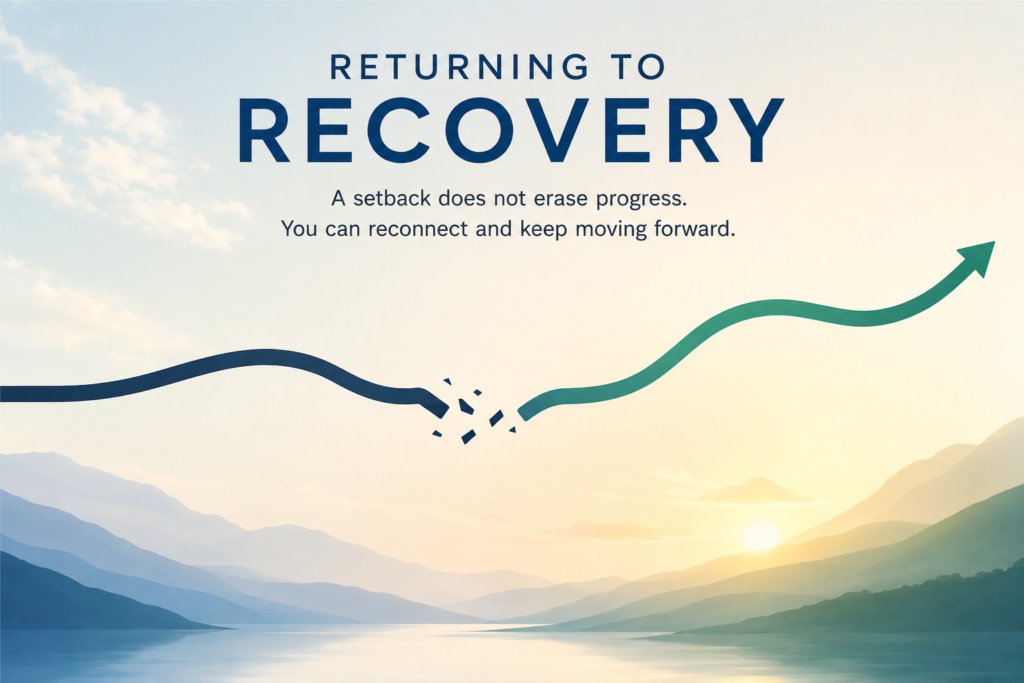
A Relapse Does Not Erase Progress One of the most damaging beliefs in recovery is the idea that a slip means everything has been lost. Many people view relapse as proof that they failed, that treatment did not work, or that they are somehow incapable of recovery. This mindset often creates overwhelming shame and makes […]
The Role of Routine in Preventing Relapse
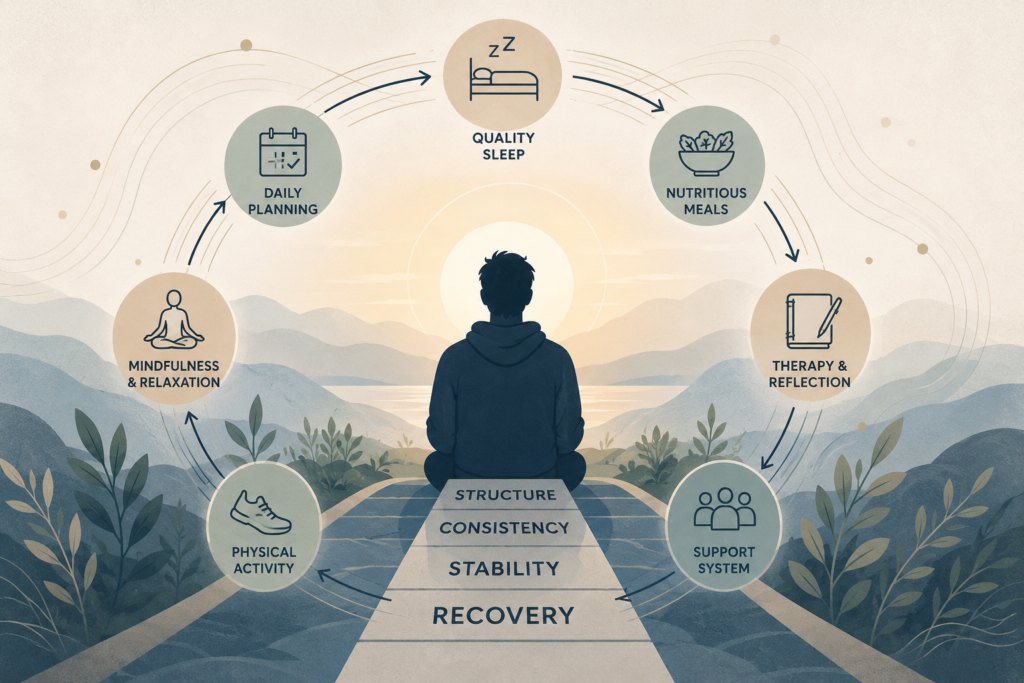
The Role of Routine in Preventing Relapse Recovery often feels emotionally unpredictable in the beginning. Thoughts, emotions, stress levels, and energy can fluctuate quickly, especially during the early stages of sobriety. While motivation and determination are important, recovery also requires consistency. One of the most effective ways to create that consistency is through routine. Daily […]
Learning to Experience Pleasure Again Without Substances

Why Pleasure Feels Different in Recovery One of the most discouraging parts of early recovery is realizing that things do not feel as enjoyable as they used to. Music may seem flat. Food may feel less exciting. Socializing, hobbies, or even moments of rest may not bring the same sense of reward a person hoped […]
Why Boredom Is a Relapse Trigger
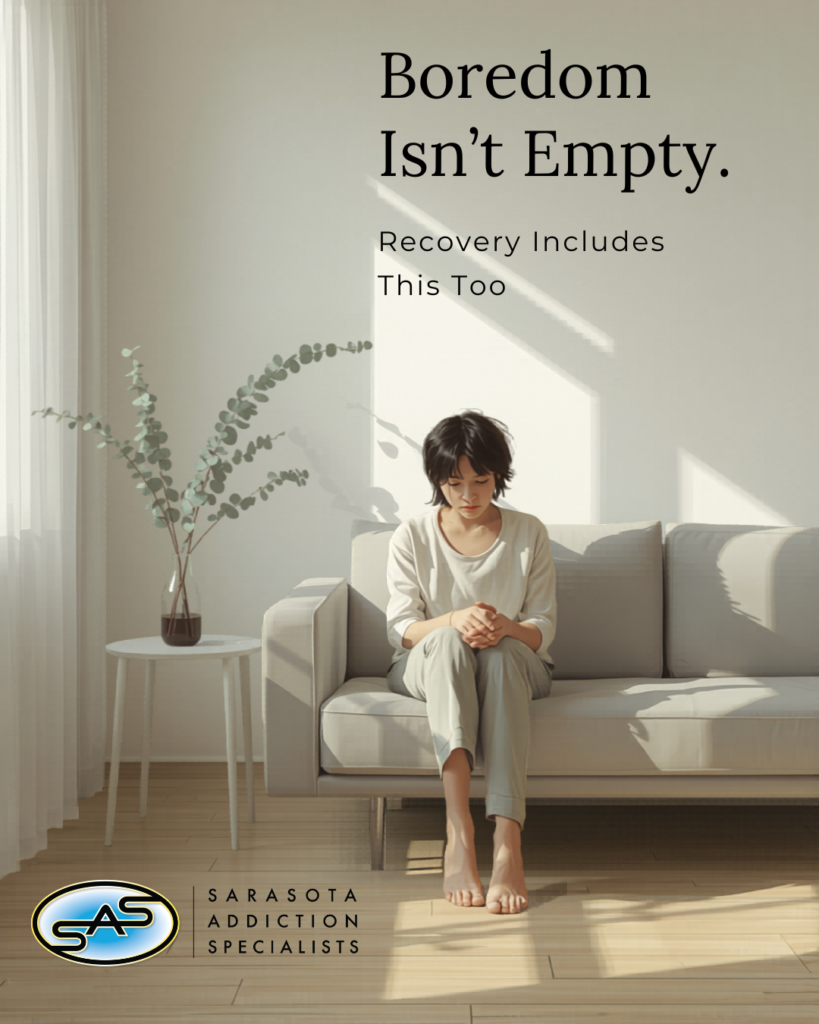
Why Boredom Can Be a Trigger in Recovery Boredom is often treated like a minor inconvenience, but in recovery it can carry more weight than people expect. When substance use is no longer part of daily life, a person is not only removing a harmful coping mechanism, they are also changing how time feels. Hours […]
Building a New Identity in Recovery

Moving Beyond the Old Identity For many people, substance use becomes part of how they see themselves. It can shape routines, relationships, and even self-worth. When recovery begins, that identity is disrupted. At first, this can feel like a loss. Even when substance use was harmful, it may have provided structure or familiarity. Without it, […]
Identity in Recovery: Who Are You Without Substances?

Identity Shifts in Recovery Substance use often becomes closely tied to identity. Over time, it can influence how someone sees themselves, how they relate to others, and how they move through daily life. When substances are removed, it can leave a gap that feels unfamiliar or even unsettling. Many people in recovery describe this phase […]
Sobriety Is Not the Same as Recovery
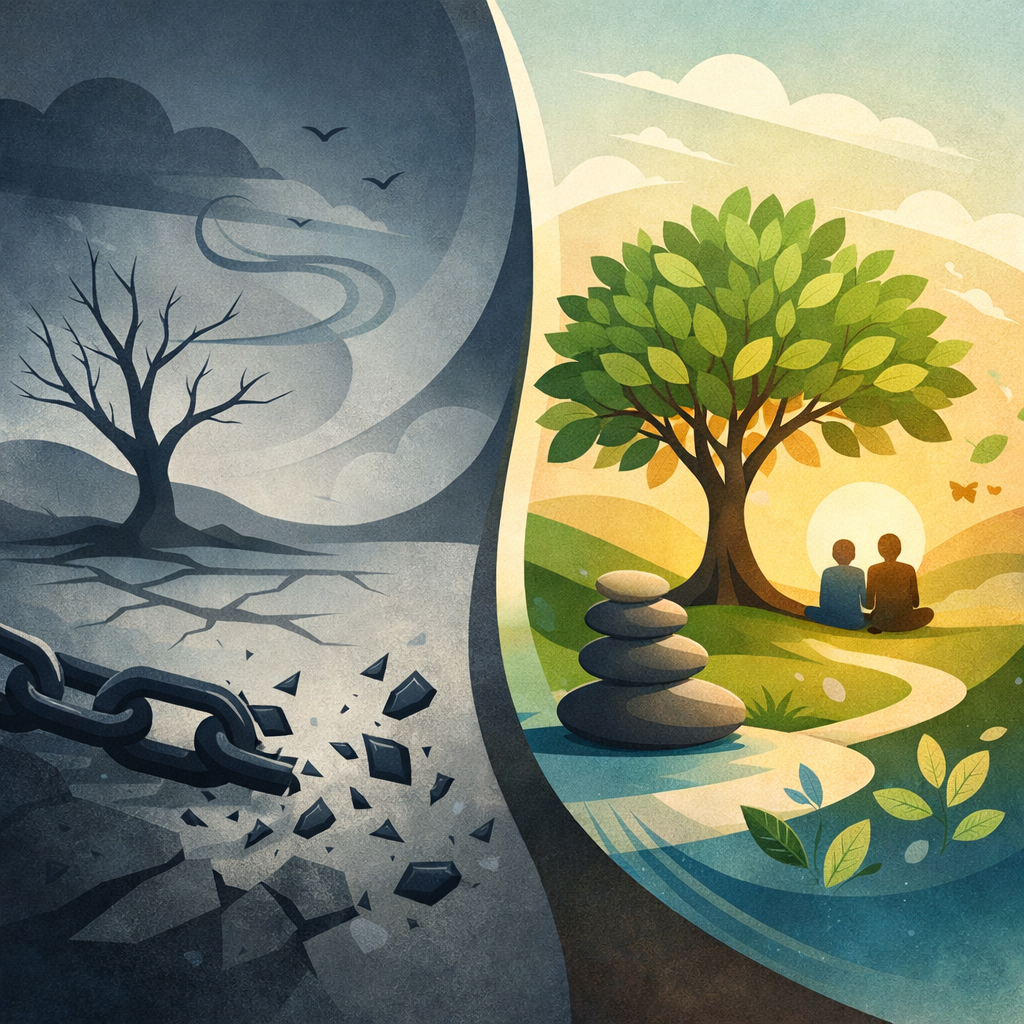
Stopping Use Is Only One Part of Healing Stopping substance use is a major milestone. It often takes courage, commitment, and support to reach that point. But while sobriety is essential, it is not the same thing as recovery. Sobriety means no longer using substances. Recovery goes further. It involves learning how to live differently, […]
The Difference Between Avoidance and Healthy Coping

When Coping Does Not Actually Help In addiction recovery, coping skills are often emphasized. And for good reason. Learning how to manage stress, cravings, and emotional triggers is essential for maintaining sobriety. However, not every coping strategy truly supports healing. Some behaviors reduce distress temporarily while reinforcing avoidance underneath. Avoidance coping can look productive or […]
When Anxiety Increases After You Stop Using

Why Anxiety Can Spike After Sobriety Many people expect to feel immediate relief once they stop using substances. For some, there is relief. But for others, anxiety actually increases in early recovery. This can feel confusing and discouraging. Substances such as alcohol, opioids, benzodiazepines, and marijuana often suppress or numb anxiety in the short term. […]