


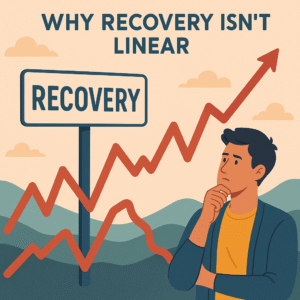
Recovery from substance use is often portrayed as a straightforward path: seek help, complete treatment, and maintain sobriety. However, the reality is far more complex. Recovery is a deeply personal and non-linear journey, marked by progress, setbacks, and continuous growth. Understanding this can help individuals stay motivated and resilient throughout their healing process.
The Non-Linear Nature of Recovery
Recovery is seldom a linear process due to the complex nature of addiction itself. Factors contributing to this include:
-
Mental Health Challenges: Co-occurring mental health disorders can complicate recovery efforts.
-
Emotional Triggers: Stress, trauma, and unresolved emotional issues may lead to setbacks.
-
Environmental Influences: Exposure to environments or individuals associated with past substance use can trigger cravings.
Recognizing that recovery involves navigating these challenges can help individuals prepare for and manage potential obstacles.
Embracing Setbacks as Part of the Journey
Experiencing a relapse or setback does not equate to failure. Instead, these moments can serve as valuable learning opportunities. By analyzing the circumstances that led to a relapse, individuals can develop stronger coping strategies and reinforce their commitment to recovery.
Strategies to Stay Motivated
Maintaining motivation is crucial for sustained recovery. Here are some strategies to help:
-
Set Realistic Goals: Break down the recovery journey into manageable milestones. Celebrating small victories can boost confidence and provide a sense of accomplishment.
-
Build a Support Network: Surround yourself with supportive individuals, whether they are friends, family, or members of support groups. Sharing experiences and challenges can foster a sense of community and accountability.
-
Practice Self-Compassion: Treat yourself with kindness and understanding, especially during difficult times. Recognize that setbacks are part of the process and do not define your worth or potential for success.
-
Engage in Healthy Activities: Incorporate activities that promote physical and mental well-being, such as exercise, meditation, or creative pursuits. These can serve as positive outlets and reduce the risk of relapse.
-
Seek Professional Help: Therapies like Motivational Enhancement Therapy (MET) can help individuals resolve ambivalence about substance use and strengthen their motivation for change. .
Personalized Support at Sarasota Addiction Specialists
At Sarasota Addiction Specialists, we understand that each individual’s recovery journey is unique. Our outpatient treatment programs are tailored to address the specific needs and goals of our clients. We offer a range of services, including:
-
Individual and Group Therapy: Facilitated by experienced professionals to provide support and guidance.
-
Relapse Prevention Planning: Strategies to identify triggers and develop coping mechanisms.
-
Family Counseling: Involving loved ones in the recovery process to rebuild relationships and support systems.
Our compassionate team is dedicated to providing the tools and support necessary for lasting recovery.
Take the Next Step
If you or a loved one is struggling with substance use, know that help is available. Recovery may not be a straight path, but with the right support and resources, it is achievable.
Contact Sarasota Addiction Specialists today at (941) 444-6560 or visit our website at www.sarasotaaddictionspecialists.com to learn more about our programs and services. Let us walk alongside you on your journey to recovery.



One Response