As treatment providers for substance abuse, we all know that social distancing goes against everything we have been trained with regard to treatment of addiction. We tell our clients from the beginning of their treatment to reach out to others, be honest, share their feelings, DO NOT BE ALONE TOO LONG, AND DO NOT ISOLATE. Why do we tell them this? Because addiction is a disease of isolation and isolation will kill them. COVID-19 has taken away our relational freedoms to be around others, hold hands, shake hands, and to sit next to someone without fear we may get sick. Being seen by others, whether it be at a meeting or in our therapist office, offers us connection, intimacy, and the opportunity to be vulnerable. These in-person, human interactions are what breaks the isolation of addiction to its core. However, while the phone and the power of the internet to have virtual meetings is a great substitute, it is NOT a long-term solution for the treatment against addiction and warding off isolation. COVID-19’s impact has resulted in the mild, moderate, and severe isolation can result in emotional dysregulation due to fear that kicks up individuals’ historical trauma and unresolved psychodynamics that have not yet made it to awareness or had enough healing to result in strong enough coping mechanisms to prevent a relapse.
A large majority of individuals in recovery are victims of some level of abuse or have experienced a moderate-to-severe disruption in their psychosocial development, resulting in issues within their core basic needs. These biologically based needs are connection, attunement, trust, autonomy and love-sexuality. When these needs are impacted on levels dependent on each individual experience, it can result in physiological and psychological symptoms by affecting self-esteem, self-confidence, sense of self, self-worth, and self-regulation. A recovering person’s face-to-face, in-person contact through meetings, fellowship, service, sponsorship, therapy etc. helps them in their pursuit to attain and maintain attunement to the five basic needs that allow them to be connected to their deepest resources and vitality.
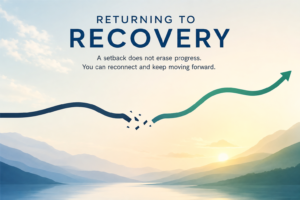
As we move forward as healthcare professionals it MUST be our priority to help our recovery community re-connect safely and work with them with the awareness of the depths of the impact this world health crisis has had on their internal state of being. It MUST be our goal to assist them in regaining self-regulation, self-confidence, self-worth, self-regulation, internal regulation, sense of self, connection, and ALIVENESS. These are all things that make up our physiological and psychological well-being.
Thank you all for your hard work and dedication to helping others! We at Sarasota Addiction Specialists look forward to continuing to work together to offer hope and freedom from active addiction!
-Dr. Kimberly Benson