
The Problem With All-or-Nothing Thinking
Many people in recovery struggle with all-or-nothing thinking. This mindset makes life feel split into extremes. A day is either good or bad. A choice is either right or wrong. Progress is either perfect or worthless.
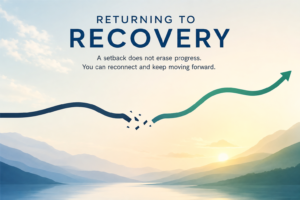
This way of thinking can be especially harmful during recovery. Healing is rarely neat or linear. There are often strong emotions, setbacks, moments of doubt, and periods of growth that happen slowly. When someone expects themselves to do everything perfectly, even a small mistake can feel overwhelming.
Instead of seeing one difficult moment for what it is, just one moment, they may start to believe they have failed completely. That kind of pressure can lead to shame, hopelessness, and the urge to give up.
How This Mindset Affects Recovery
All-or-nothing thinking often increases relapse risk because it turns small struggles into major defeats. Someone might miss a meeting, have an argument, feel emotionally overwhelmed, or fall back into an unhealthy coping pattern. Rather than seeing that experience as a warning sign or an opportunity to regroup, they may view it as proof that recovery is not working.
This can sound like:
- “I already messed up, so what is the point?”
- “If I am still struggling, I must not be getting better.”
- “If I cannot do this perfectly, I am failing.”
These thoughts are powerful, but they are not accurate. Recovery does not depend on perfection. It depends on consistency, honesty, support, and the willingness to keep going.
Long-term sobriety is built through repeated choices over time. It grows through practice, reflection, and learning how to respond differently when life feels hard.
Why Flexible Thinking Matters
Flexible thinking allows people to make room for real life. It helps someone recognize that two things can be true at once. A day can be difficult and still meaningful. A person can make a mistake and still be making progress. Recovery can feel challenging and still be worth it.
This shift matters because it reduces the emotional intensity around imperfection. Instead of spiraling after a setback, someone can pause and ask, “What happened here?” or “What support do I need right now?” That mindset creates space for adjustment instead of collapse.
Recovery requires this kind of flexibility. It is not about never struggling again. It is about learning how to move through struggle without losing sight of the bigger picture.
Therapy Helps Shift Perspective
Therapy can be an important place to identify rigid thinking patterns and begin replacing them with more balanced ones. In individual therapy, people can explore the beliefs they carry about success, failure, self-worth, and control. Many of these beliefs develop long before recovery begins and can quietly shape behavior for years.
Therapy helps bring those patterns into the open. Once they are recognized, they can be challenged and reframed in a healthier way.
Group therapy can also be especially helpful. Hearing others talk openly about setbacks, growth, and imperfect progress can reduce shame and make recovery feel more realistic and more possible. It reminds people they are not alone in the process.
Learn more about group therapy here:
https://www.sarasotaaddictionspecialists.com/group-therapy/
Progress Over Perfection
Recovery is not all or nothing. It is not ruined by one hard day, one emotional setback, or one imperfect response. Real progress often looks quiet. It looks like pausing before reacting, asking for help, telling the truth, showing up again, and continuing forward.
Learning to tolerate imperfection can be one of the most important parts of lasting recovery. When the pressure to be perfect begins to soften, there is more room for growth, stability, and self-compassion.
Support for Lasting Change
Sarasota Addiction Specialists offers outpatient addiction treatment in Sarasota, Florida. If you or someone you care about is struggling with substance use, support is available.
Call (941) 444-6560 or visit:
https://www.sarasotaaddictionspecialists.com