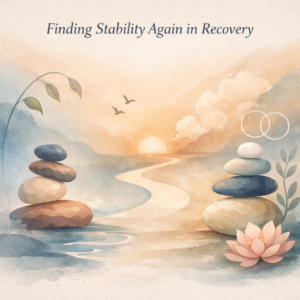

Addiction is a complex disease that affects every aspect of an individual’s life. It not only impacts their physical and mental health but also affects their relationships, work, and overall quality of life. Recovery from addiction involves a multi-faceted approach that includes medical treatment, therapy, and support from loved ones. However, one aspect that is often overlooked is the role of art and creativity in addiction recovery.
Art therapy is a form of therapy that uses art as a way to help individuals express themselves and process their emotions in a safe and supportive environment. It has been found to be particularly effective in treating individuals with substance abuse disorders. Art therapy can take many forms, including painting, drawing, sculpting, and collage making.
One of the benefits of art therapy for addiction recovery is that it allows individuals to express themselves in a non-verbal way. For many individuals struggling with addiction, it can be difficult to put their feelings into words. Art therapy provides an outlet for these individuals to express themselves and process their emotions without having to rely on verbal communication.
Art therapy has also been found to be effective in helping individuals develop coping skills and manage stress. Many individuals with substance abuse disorders turn to drugs or alcohol as a way to cope with stress and other negative emotions. Art therapy provides individuals with healthy coping mechanisms and teaches them how to manage their emotions in a healthy way.
In addition to art therapy, creativity can play a significant role in addiction recovery. Engaging in creative activities such as writing, music, and dance can help individuals tap into their emotions and express themselves in a healthy way. These activities can also provide a sense of accomplishment and purpose, which can be particularly important for individuals in early recovery.
Research has shown that engaging in creative activities can also have a positive impact on mental health. A study published in the Journal of Positive Psychology found that individuals who engaged in creative activities had lower levels of anxiety and depression. This is particularly important for individuals in recovery, as mental health issues are often a contributing factor to substance abuse disorders.
In conclusion, art and creativity can play a significant role in addiction recovery. Art therapy provides individuals with a safe and supportive environment to express themselves and process their emotions, while creative activities can provide a sense of purpose and help individuals manage their mental health. If you or a loved one is struggling with addiction, reach out for help today.
At Sarasota Addiction Specialists, we offer outpatient treatment for substance abuse in Sarasota, Florida. Our team of experienced professionals is dedicated to helping individuals achieve lasting recovery. Call us today at (941) 444-6560 or visit our website at www.sarasotaaddictionspecialists.com to learn more about our services and how we can help.