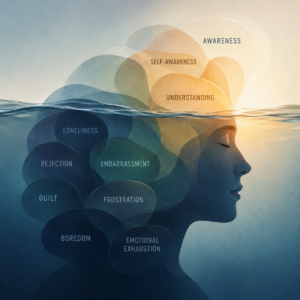

Trauma, which includes neglect, physical abuse, sexual abuse and emotional abuse, happens at extremely high rates. Trauma is categorized as a major health problem across the world. Exposure to trauma at a young age increases an individual’s risk in adulthood to develop a psychiatric disorder. Research has shown that adolescents who have been victims of trauma are three times more likely to have had past or current issues with alcoholism and or addiction. This occurs due to the desire to self medicate over dysregulated emotional and biological distress. An individual living with trauma often has an internal emotional experience of fear and dread that is met with lack of control and an extreme sense of isolation. This is the result of chronic neglect, molestation, incest, abuse, abandonment, and violence. An individual internal distress becomes so much to bear that relief is sought through a substance. Substances can range from food, to alcohol and drugs as well as self mutilation. Self destructiveness is an act of self preservation. Without the destructive coping skill the mind is terrified that it will not survive the emotional torture it has been over taken by.
The treatment of addiction in correlation with trauma has high success rates when the individual seeking treatment is able to break through denial of the internal war that is standing in the way of a healthier life. Awareness, Acceptance and Action are the key ingredients to successful healing of internal struggles. Sarasota Addiction Specialists have staff who have been trained and specialize in the treatment of trauma and addiction.