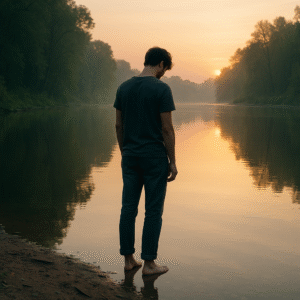
“Out of Suffering Have Emerged the Strongest Souls, The Most Massive Characters are Seared with Scars”
-Kahil Gibran
Trauma is one of the root causes of addiction. The suffering that occurs as a result of trauma leaves an individual in a place to seek out the one thing all human beings embark upon: to sooth oneself. Trauma leaves such a psychological impact that the ability to self-sooth can be impossible. This result oftentimes leaves the victim of trauma desperately seeking relief from the emotional turmoil that haunts within. To cope with this turmoil victims of trauma often turn to alcohol and drugs to seek relief.
Interrupting addictive disorders takes breaking through the thick shield of denial that protects the addiction’s survival. The goal of addiction is self-annihilation, to eliminate one’s emotional experience. This process is essentially slow suicide. Once an individual seeks recovery and obtains abstinence from major mood- and mind-altering drugs, it is then that the real work from within can begin. According to Gabor Maté, the most important question to ask regarding the healing process of addictive disorders is “understanding what are the sources of the emotions from which we are acting?” We really must take time to understand our emotions and what emotions are underneath the actions that are driving behavior. If we do not take time to understand the emotions driving behavior, we will never discover the deep pain from which people are trying to escape. Getting to the deep core pain is what will enable long-term recovery for the addictive persons. If the intrapersonal relationship is not explored, room is left to repeat unhealthy behavior and relationship patterns that could potentially lead to more pain, suffering and trauma.
My own journey of recovery has been much of the above. My ability to look within has saved me from unnecessary pain and suffering. However, my unwillingness and inability to see things for what they were has also caused more pain, suffering, loss and trauma. What my own journey of recovery has taught me is that the work within is NEVER done. If I ever think I am done, or during times when I have backed off of recovery and became complacent, I am then one step closer to being in active psychological addiction without ever putting a substance of choice into my body. These are times that put us all at risk of relapse if we are not careful and stay connected to support systems. I myself got into a habit of “doing” to try and make myself feel better. Everything from exercise, bodybuilding, caffeine, money, shopping, talking with others, and food as way to “heal/self-sooth.” Not to say these things are bad, however the motivations behind doing them is what makes them unhealthy. The one thing that has assisted me the most in understanding my intrapersonal relationship within is prayer and meditation. My own formulation of spirituality and philosophy of life is paramount to my recover. It has taken years of my own therapy to get comfortable enough with my own thoughts and feelings to just sit and be with them in meditation. Being, learning how to be with oneself is the road to healing and learning to self-sooth and uncover the pain that lies beneath.
I believe today that my own trauma and suffering has ultimately made me a stronger person, has aided in shaping my tenacity and equipped me with an ability to empathize with others. What I love most about my journey through life is that I have been able to use the bad for the better and the good for greater and pass it on to others who seek out health and well-being. To give back what was given to me is priceless.
Sarasota Addiction Specialists have held strong through COVID-19 and have worked together with our community to provide a safe, enriching environment for treatment. We have been able to provide a blended format of virtual and in-person groups, allowing the required social distancing while still providing quality treatment. Addiction and trauma never end… therefore treatment MUST find a way to go on. We are proud to say we have been able to keep our doors open, which has enabled individuals seeking recovery from addiction to address their intrapersonal issues from within.
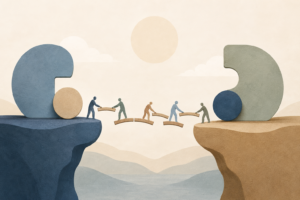
With our coming Independence Day, I would like to encourage everyone to take pride and ownership of your individuality. To own your own mind and your own uniqueness that you bring to the world. It is our independence that brings richness to our relationships.
Sarasota Addiction Specialists thanks everyone for your continued support and belief in our program. You can visit us a www.sarastoaaddictionspecialists.com or you can email us at sarastoaaddictionspecialists@gmail.com and call us at 941.444.6560.
Regards,
Dr. Kimberly S. Benson