


Learning to Experience Pleasure Again Without Substances

Why Pleasure Feels Different in Recovery One of the most discouraging parts of early recovery is realizing that things do not feel as enjoyable as they used to. Music may seem flat. Food may feel less exciting. Socializing, hobbies, or even moments of rest may not bring the same sense of reward a person hoped […]
Emotional Regulation in Addiction Recovery Is a Learned Skill
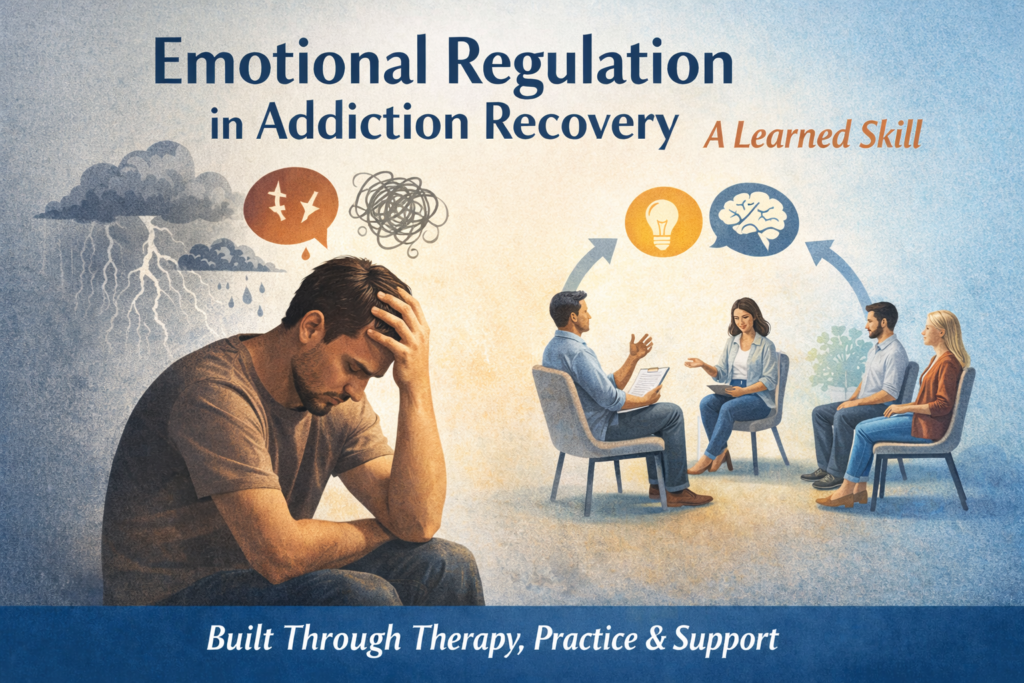
Emotional Regulation Is Not Automatic Many people assume emotional regulation is something a person either naturally has or simply lacks. In addiction recovery, that belief can be especially discouraging. When emotions feel intense, unpredictable, or hard to manage, it is easy to think something is wrong or that progress is out of reach. In reality, […]
Learning to Sit With Emotions Without Substances

Learning to Sit With Emotions Without Substances Why Emotions Feel Harder in Recovery Substances often act as emotional buffers. They can dull discomfort, quiet anxiety, or provide temporary relief from feelings that feel overwhelming. Over time, this creates a pattern where emotions are avoided rather than processed. When substances are removed, the emotional volume can […]
Why Structure Matters in Early Recovery: Limits of Willpower

The Limits of Willpower in Early Recovery Willpower is often treated as the engine of recovery. The idea is simple. If someone is determined enough, disciplined enough, or strong enough, they can stay sober. When people struggle, they are often told to try harder or recommit themselves. The problem is that willpower is unreliable, especially […]
The Emotional Crash After Sobriety

When Sobriety Feels Worse Before It Feels Better Many people enter recovery expecting immediate emotional relief. They imagine that once substances are removed, anxiety will calm down, mood will stabilize, and life will feel more manageable. When the opposite happens, it can be deeply unsettling. Instead of feeling better, early sobriety can bring sadness, anxiety, […]
Why Motivation Alone Is Not Enough for Recovery
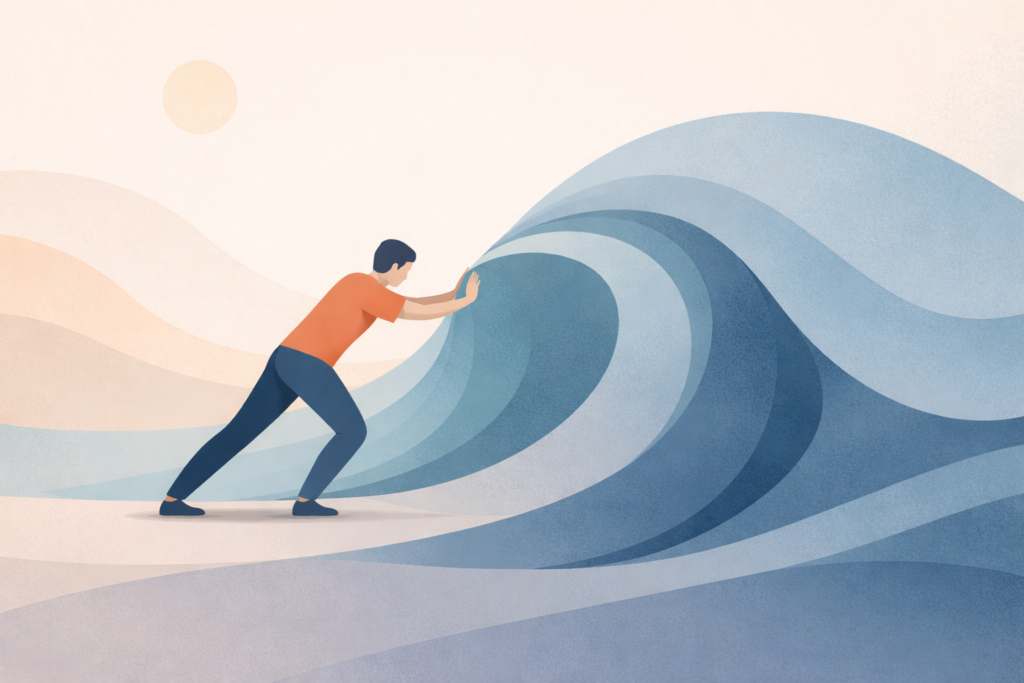
The Myth of Willpower in Addiction Recovery Recovery is often framed as a matter of motivation. The message can sound simple. If someone wants sobriety badly enough, they should be able to maintain it. When people struggle, they are told to try harder, stay focused, or recommit themselves. While motivation can play a role in […]
What Early Recovery Really Feels Like

When Sobriety Does Not Bring Immediate Relief Many people enter early recovery expecting relief. They imagine that once substances are removed, life will feel calmer, clearer, or more manageable. There is often a quiet hope that sobriety will bring peace right away, that anxiety will settle, sleep will improve, and emotions will feel more stable. […]
How to Rebuild Self-Trust in Early Recovery

Rebuilding Self-Trust in Early Recovery: Why It Matters and How to Start Early recovery brings a mix of relief, hope, fear, and uncertainty. For many people, one of the hardest parts is not the physical withdrawal or the lifestyle changes. It is the quiet realization that they no longer trust themselves. After years of making […]