Fentanyl continues to affect families across the country, including people who never intended to take an opioid. Illegally manufactured fentanyl may be mixed into heroin, cocaine, methamphetamine, or counterfeit pills made to resemble legitimate prescription medications.
National Fentanyl Prevention and Awareness Day on August 21 is an opportunity to replace fear and stigma with practical knowledge. Learning how fentanyl enters the illegal drug supply, recognizing an opioid overdose, carrying naloxone, and knowing when to call for help can save a life.
Recent preliminary data suggest that overdose deaths in the United States are declining. That progress matters, but fentanyl remains a leading driver of fatal overdoses. Prevention, treatment, and rapid emergency response are still essential.
What Is Fentanyl?
Fentanyl is a powerful synthetic opioid. Pharmaceutical fentanyl has legitimate medical uses, including treating severe pain and providing anesthesia. Most fentanyl-related harm, however, is connected to illegally manufactured fentanyl distributed through the unregulated drug supply.
According to the Centers for Disease Control and Prevention, fentanyl is approximately 50 to 100 times more potent than morphine. A very small amount can cause a life-threatening overdose, especially when a person does not know fentanyl is present.
Why Counterfeit Pills Are Especially Dangerous
Counterfeit pills may be designed to look like prescription oxycodone, hydrocodone, alprazolam, or stimulants. Their appearance does not reveal what they contain or how strong they are. Pills obtained through social media, a friend, or any source other than a licensed pharmacy may contain fentanyl or other unexpected substances.
The safest rule is straightforward: Only take medication prescribed to you and obtained from a licensed pharmacy. A pill’s color, imprint, packaging, or resemblance to a familiar medication cannot confirm that it is genuine.
Illegally manufactured fentanyl may also be found in powders and other drugs. This means opioid overdose education is relevant even for people who do not believe they use opioids.
How to Recognize an Opioid Overdose
An opioid overdose slows or stops breathing. A person experiencing an overdose may look as though they are sleeping, but they cannot be awakened normally.
Warning signs can include:
- Unresponsiveness or inability to wake up
- Slow, shallow, irregular, or stopped breathing
- Choking, gurgling, or unusual snoring sounds
- Small, constricted “pinpoint” pupils
- A limp body
- Cold or clammy skin
- Pale, gray, or discolored lips, nails, or skin
If you are unsure whether someone is experiencing an overdose, treat the situation as an emergency. Waiting for certainty can cost valuable time.
What to Do When an Overdose Is Suspected
- Call 911 immediately. Tell the dispatcher that the person is unresponsive or not breathing normally and follow the instructions provided.
- Give naloxone if it is available. Naloxone can temporarily reverse an opioid overdose, including one involving fentanyl.
- Support breathing. Begin rescue breathing or CPR if you are trained and the dispatcher directs you to do so.
- Give another dose when needed. Follow the product instructions. Another dose may be necessary if the person remains unresponsive after two to three minutes.
- Place the person on their side. If they are breathing, the recovery position may help reduce the risk of choking.
- Stay until emergency help arrives. Do not assume the emergency has passed because the person wakes up.
Naloxone’s effects are temporary, and potent opioids can remain in the body longer than naloxone. The person may become unresponsive again. Every suspected overdose requires emergency medical care.
Why Carry Naloxone?
Naloxone is an opioid overdose reversal medication. It will not cause intoxication, and giving it to someone who is not experiencing an opioid overdose generally will not harm them. It does not reverse an overdose caused only by alcohol, cocaine, methamphetamine, or benzodiazepines, but it should still be used when opioid exposure is possible.
You do not need to know someone who has been diagnosed with opioid use disorder to carry naloxone. It can be useful for:
- People who use opioids and their family members
- Anyone taking a prescribed opioid medication
- Parents and caregivers of teenagers or young adults
- People living with someone who may encounter the illegal drug supply
- Businesses, community groups, and public-facing workplaces
- Anyone who wants to be prepared to help during an emergency
Keep naloxone where it can be reached quickly, check its expiration date, and make sure the people around you know where it is. Avoid storing it in extreme heat, such as inside a parked vehicle during a Florida summer.
Where to Find Naloxone in Sarasota County
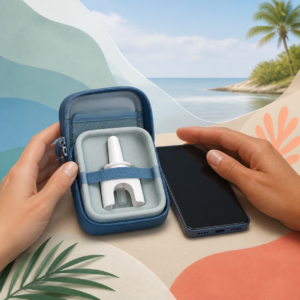
Naloxone nasal spray is available over the counter at many pharmacies. Community programs and public health agencies may also provide it at no cost.
The Florida Department of Health in Sarasota County currently provides free naloxone at its pharmacy locations during normal business hours. Its listed locations include Downtown Sarasota, the Children’s Health Center, and North Port. Call DOH-Sarasota at 941-861-2900 before visiting to confirm current hours and availability.
Overdose Prevention Is More Than Emergency Response
Naloxone saves lives, but it is not a substitute for ongoing care. A nonfatal overdose can signal an urgent need to reassess substance use, mental health, medications, living conditions, and the current level of support.
Effective help may include medical evaluation, medication for opioid use disorder, counseling, peer support, family involvement, or structured addiction treatment. The appropriate plan differs from person to person.
Families can help by speaking directly and without shame. Instead of asking, “Why would you do this?” try questions such as:
- “What are you using, and what do you believe is in it?”
- “Have you ever felt unusually sleepy or had trouble breathing?”
- “Do you have naloxone, and does someone nearby know how to use it?”
- “What kind of support would make it easier to accept help?”
Compassion does not mean ignoring dangerous behavior. It means responding in a way that keeps the person connected long enough to receive care.
Fentanyl Awareness Should Lead to Action
Awareness is most useful when it changes what we do. Learn the signs of an overdose. Carry naloxone. Talk honestly about counterfeit pills. Call 911 when someone cannot be awakened or is not breathing normally. Encourage treatment without treating addiction as a moral failure.
Sarasota Addiction Specialists offers counseling and structured outpatient addiction treatment for adults and adolescents in Sarasota and surrounding communities. Our services can help individuals address substance use, cravings, relapse risk, co-occurring mental health concerns, and the everyday work of recovery.
If you or someone you love is struggling with opioid or other substance use, contact Sarasota Addiction Specialists or call (941) 444-6560 for a confidential consultation.
If someone is unresponsive, is not breathing normally, or may be experiencing an overdose, call 911 immediately. This article is for general education and is not a substitute for medical advice, emergency care, or individualized treatment.
Frequently Asked Questions
Can naloxone reverse a fentanyl overdose?
Yes. Naloxone can temporarily reverse an opioid overdose involving fentanyl. Because fentanyl is highly potent and naloxone’s effects are temporary, more than one dose may be needed. Always call 911 and remain with the person.
Can you tell whether a pill contains fentanyl by looking at it?
No. Counterfeit pills can closely resemble legitimate prescription medications. A pill’s appearance, imprint, color, or packaging cannot reliably show what it contains. Only take medication prescribed to you and dispensed by a licensed pharmacy.
Will naloxone hurt someone who is not overdosing on an opioid?
Naloxone generally will not harm someone who has no opioids in their system. If an unconscious person might have been exposed to an opioid, administer naloxone if available and call 911.
Does naloxone replace addiction treatment?
No. Naloxone addresses the immediate effects of an opioid overdose but does not treat opioid use disorder or the circumstances contributing to substance use. After an overdose, professional assessment and continued support are important.
Where can I obtain free naloxone in Sarasota?
The Florida Department of Health in Sarasota County currently lists free naloxone at its pharmacy locations. Call 941-861-2900 or check its Substance Abuse Resources page for current locations, hours, and availability.