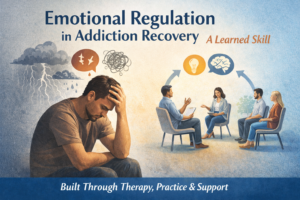

Vaping has become a popular alternative to smoking, offering a variety of flavors and the promise of a less harmful experience than traditional cigarettes. However, the convenience and perceived safety can sometimes lead to excessive use, raising concerns about addiction. If you’re wondering whether you might be addicted and looking for ways to stop vaping, this guide is for you.
What is Vaping Addiction?
Vaping addiction occurs when individuals become dependent on electronic cigarettes (e-cigarettes) or other vaping devices. This dependence is primarily due to nicotine, a highly addictive substance found in many e-liquids. Like other forms of nicotine addiction, vaping can lead to compulsive use, despite knowing the potential harm.
Signs of Vaping Addiction
Recognizing the signs of addiction is the first step towards making a change. Here are some indicators that you might be addicted to vaping:
- Increased Tolerance: Needing more frequent hits or higher nicotine levels to feel satisfied.
- Withdrawal Symptoms: Experiencing irritability, anxiety, or physical symptoms like headaches when not vaping.
- Unsuccessful Attempts to Quit: You’ve tried to stop vaping multiple times but haven’t been successful.
- Continued Use Despite Problems: You continue to vape even though it’s causing health issues or affecting your personal relationships.
Steps to Quit Vaping
Quitting vaping, like overcoming any addiction, requires a committed plan and support. Here are some strategies to help you stop vaping:
- Set a Quit Date: Choose a date to stop vaping and stick to it. Prepare yourself mentally and physically for the challenge ahead.
- Understand Your Triggers: Identify situations that make you want to vape, such as stress, social settings, or after meals. Plan how to avoid these triggers or manage them without vaping.
- Use Nicotine Replacement Therapies (NRT): Products like nicotine gum, patches, or lozenges can help manage withdrawal symptoms and reduce the urge to vape.
- Seek Professional Help: Consider therapies such as behavioral counseling or support groups. These can provide guidance and reinforce your commitment to quitting.
- Stay Busy: Keep yourself occupied with hobbies, exercise, or other activities that divert your attention from vaping.
- Get Support: Let family and friends know about your plan to quit. Their encouragement can make a significant difference in your journey.
Additional Resources to Stop Vaping
For further support, several online resources and local support groups can offer assistance. Websites like SmokeFree.gov provide tools and tips that are specifically designed for quitting smoking and vaping. Additionally, consider reaching out to a healthcare provider who can offer personalized guidance and resources.
Where to go from here?
Recognizing an addiction to vaping is a critical first step toward reclaiming your health. By understanding the signs and taking decisive action to quit, you can overcome the hold that vaping has on your life. Remember, quitting is a journey, and it’s okay to seek help along the way.
If you or someone you know is struggling with addiction, don’t hesitate to reach out. Sarasota Addiction Specialists can provide the support and resources needed to overcome substance abuse. Contact us at (941) 444-6560 or visit our website at www.sarasotaaddictionspecialists.com for more information. Your path to recovery starts here—reach out to us today for help.