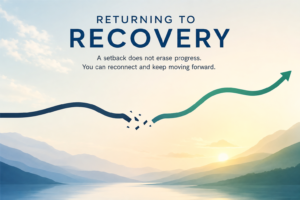
Addiction recovery is not an easy journey. It is a long and challenging process filled with obstacles and setbacks. However, with the right mindset, support, and resources, anyone can overcome these obstacles and achieve lasting sobriety. Here are some of the most common obstacles to addiction recovery and how to overcome them.
1. Denial
Denial is a common defense mechanism that addicts use to avoid facing the reality of their addiction. They may minimize the severity of their addiction or blame others for their problems. Overcoming denial requires honesty and self-reflection. Addicts must acknowledge their addiction and take responsibility for their actions. They can seek help from a therapist or support group to help them recognize the impact of their addiction on their lives.
2. Triggers
Triggers are people, places, or things that can trigger cravings and lead to relapse. It can be challenging to avoid all triggers, but addicts can learn to manage them. They can identify their triggers and develop a plan to address them. For example, if social events are a trigger, they can plan ahead by bringing a sober friend, leaving early, or avoiding situations where drugs or alcohol are present.
3. Emotional Issues
Addiction is often linked to underlying emotional issues such as anxiety, depression, or trauma. These issues can make recovery more challenging, as addicts may turn to drugs or alcohol to cope with their feelings. Addressing emotional issues requires a comprehensive treatment approach that includes therapy, medication, and support groups. By tackling these issues head-on, addicts can learn healthier coping mechanisms and reduce the risk of relapse.
4. Lack of Support
Recovery is a journey that requires support from friends, family, and professionals. Without support, addicts may feel isolated and overwhelmed, making recovery more difficult. It is crucial to surround oneself with a supportive network of people who understand the challenges of addiction recovery. Support groups such as Alcoholics Anonymous or Narcotics Anonymous can provide a sense of community and accountability, while therapy can offer personalized support and guidance.
5. Stigma
Addiction is often stigmatized, which can make it more challenging for addicts to seek help. Many people still view addiction as a moral failing rather than a disease, which can lead to shame and guilt. Overcoming stigma requires education and awareness. Addicts and their loved ones can educate themselves and others about the nature of addiction and the importance of seeking help. They can also seek out support groups and treatment centers that offer a safe and non-judgmental environment.
In conclusion, addiction recovery is a challenging journey, but it is possible to overcome the obstacles that stand in the way. By acknowledging the reality of addiction, addressing emotional issues, managing triggers, seeking support, and overcoming stigma, addicts can achieve lasting sobriety.
If you or a loved one is struggling with addiction, don’t hesitate to reach out for help. At Sarasota Addiction Specialists, we offer comprehensive outpatient treatment for substance abuse. Our team of experienced professionals can help you overcome the obstacles to addiction recovery and achieve lasting sobriety. Please call us at (941) 444-6560 or visit our website at www.sarasotaaddictionspecialists.com to learn more.