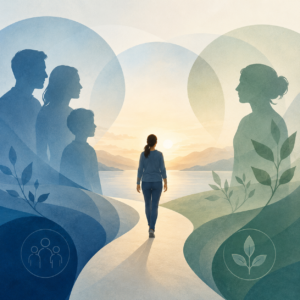

Recovery from substance use isn’t just about stopping drugs or alcohol. It’s about building the strength to face life’s challenges without returning to old patterns. This strength is often described as resilience—the ability to adapt, cope, and keep moving forward even when life gets tough.
What Is Resilience?
Resilience doesn’t mean never struggling. Everyone faces setbacks, stress, and disappointment. Instead, resilience is about how you respond when things don’t go as planned. In recovery, resilience helps people stay committed to their goals despite cravings, relationship stress, or life’s unexpected difficulties.
Why Resilience Matters in Recovery
-
Handling Triggers – Triggers are a normal part of recovery. Resilient individuals are better equipped to recognize them, pause, and choose healthier coping mechanisms.
-
Managing Relapse – Relapse can be discouraging, but resilience allows people to treat it as a learning experience rather than a failure.
-
Rebuilding Life – Recovery often means repairing relationships, finding stable housing, or starting new careers. Resilience provides the motivation to keep working toward these goals.
-
Protecting Mental Health – Addiction and mental health are often connected. Resilience supports emotional well-being, reducing the risk of falling back into destructive patterns.
How to Build Resilience in Recovery
-
Develop Healthy Routines – Consistent sleep, exercise, and nutrition provide a foundation for emotional balance.
-
Lean on Support Networks – Whether through family, friends, or support groups, having others to turn to increases resilience.
-
Practice Self-Compassion – Recovery is not linear. Being kind to yourself during setbacks strengthens long-term commitment.
-
Learn New Coping Skills – Techniques like mindfulness, journaling, or therapy can help regulate emotions and reduce stress.
Professional Support Builds Resilience
Outpatient treatment programs, like those at Sarasota Addiction Specialists, give people the tools they need to strengthen resilience. Therapy helps uncover the root causes of substance use, while group work and community resources provide ongoing encouragement.
For more on how support systems help in recovery, you may want to read our post on how families can support someone in outpatient treatment. External resources like the Substance Abuse and Mental Health Services Administration (SAMHSA) also offer practical guidance on building resilience.
Final Thoughts
Recovery is about more than just abstinence—it’s about creating a new way of living that can withstand challenges. Resilience is the skill that keeps people moving forward, even when the road is difficult. With the right support, resilience can grow stronger every day.
If you or someone you love is struggling with addiction, Sarasota Addiction Specialists is here to help. Call us today at (941) 444-6560 or visit www.sarasotaaddictionspecialists.com to learn more.