


Emotional Triggers You May Not Realize Are Affecting You
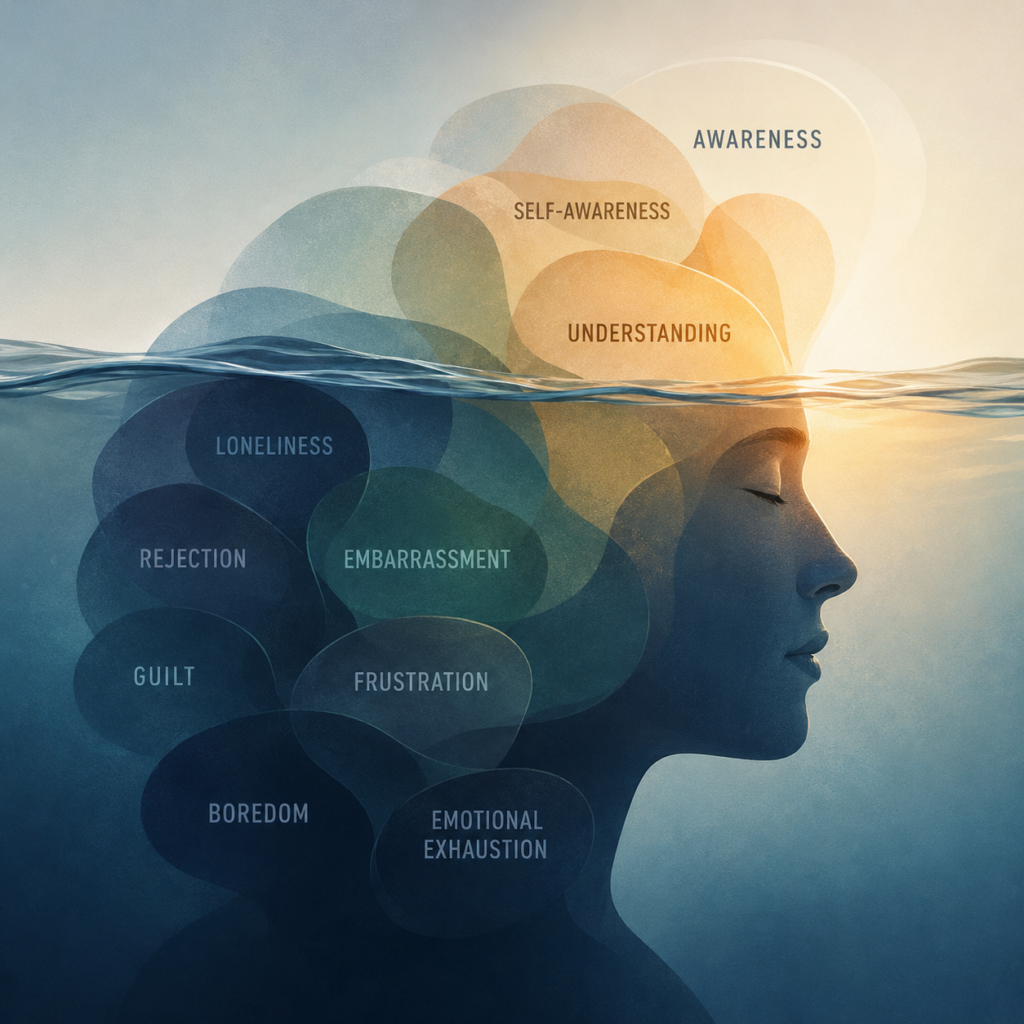
Not All Triggers Are Obvious When people think about relapse triggers, they often picture obvious situations, such as being around alcohol or drugs, attending parties, or reconnecting with people connected to past substance use. These types of external triggers are important to recognize, but many triggers are far more subtle. Some of the most powerful […]
Why Boredom Is a Relapse Trigger
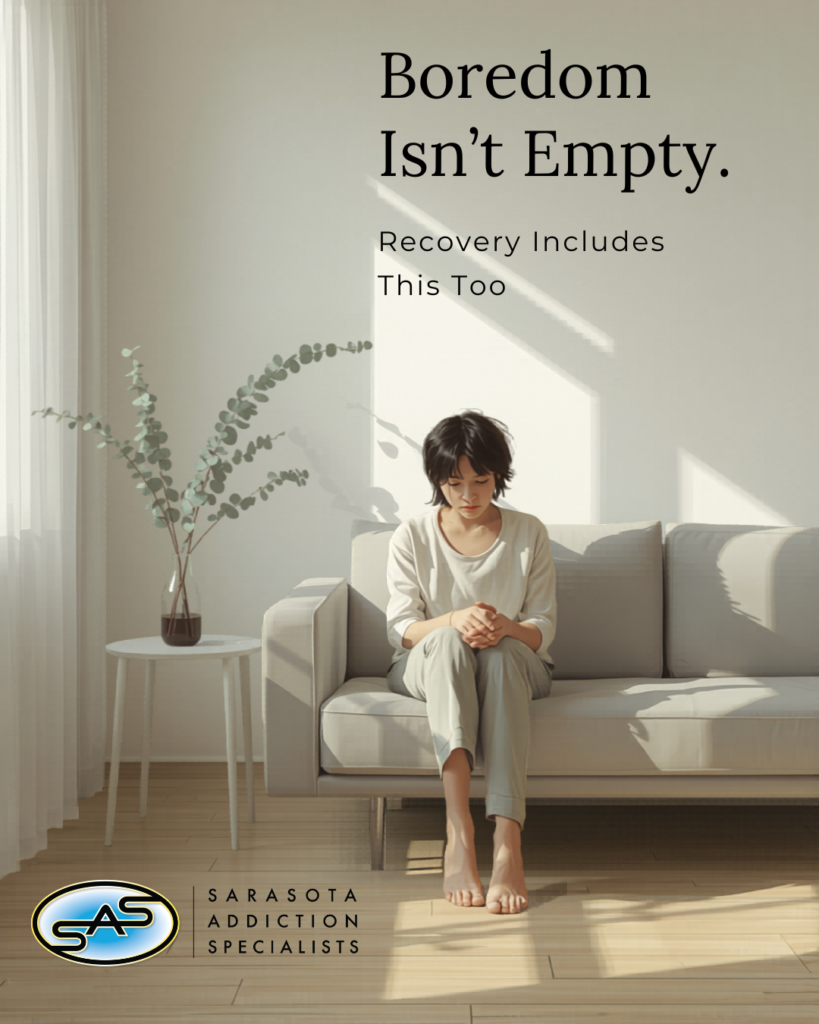
Why Boredom Can Be a Trigger in Recovery Boredom is often treated like a minor inconvenience, but in recovery it can carry more weight than people expect. When substance use is no longer part of daily life, a person is not only removing a harmful coping mechanism, they are also changing how time feels. Hours […]
Overcoming All-or-Nothing Thinking in Recovery

The Problem With All-or-Nothing Thinking Many people in recovery struggle with all-or-nothing thinking. This mindset makes life feel split into extremes. A day is either good or bad. A choice is either right or wrong. Progress is either perfect or worthless. This way of thinking can be especially harmful during recovery. Healing is rarely neat […]
Emotional Regulation in Addiction Recovery Is a Learned Skill
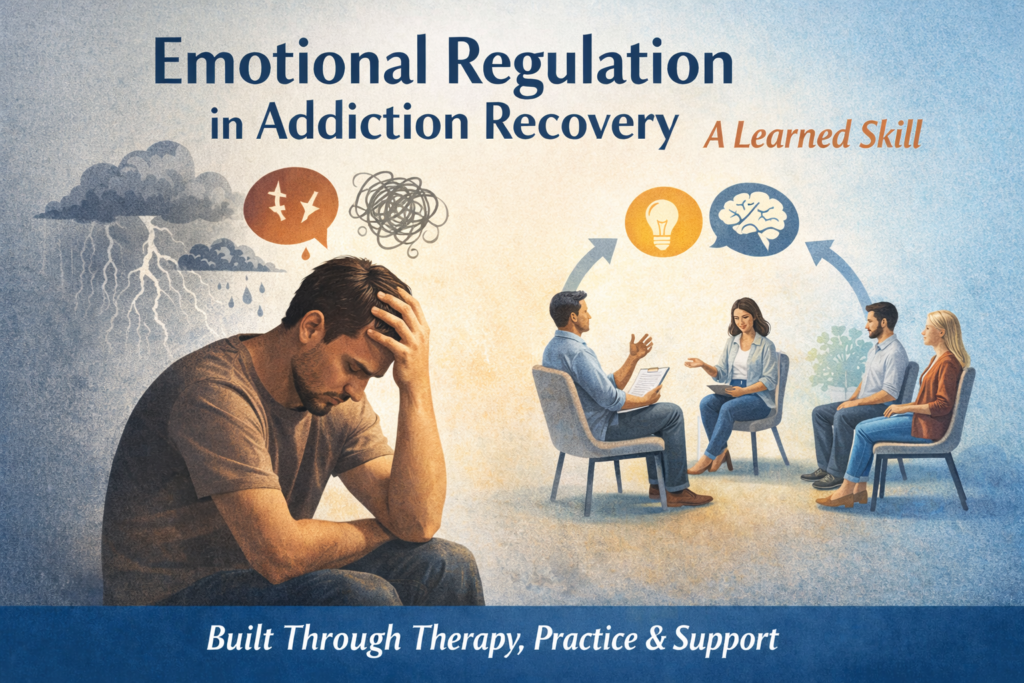
Emotional Regulation Is Not Automatic Many people assume emotional regulation is something a person either naturally has or simply lacks. In addiction recovery, that belief can be especially discouraging. When emotions feel intense, unpredictable, or hard to manage, it is easy to think something is wrong or that progress is out of reach. In reality, […]
The Difference Between Avoidance and Healthy Coping

When Coping Does Not Actually Help In addiction recovery, coping skills are often emphasized. And for good reason. Learning how to manage stress, cravings, and emotional triggers is essential for maintaining sobriety. However, not every coping strategy truly supports healing. Some behaviors reduce distress temporarily while reinforcing avoidance underneath. Avoidance coping can look productive or […]
Learning to Sit With Emotions Without Substances

Learning to Sit With Emotions Without Substances Why Emotions Feel Harder in Recovery Substances often act as emotional buffers. They can dull discomfort, quiet anxiety, or provide temporary relief from feelings that feel overwhelming. Over time, this creates a pattern where emotions are avoided rather than processed. When substances are removed, the emotional volume can […]