
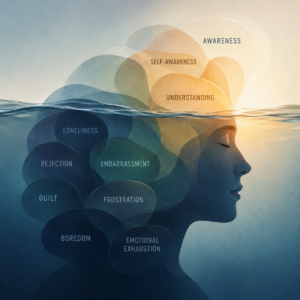
Not All Triggers Are Obvious
When people think about relapse triggers, they often picture obvious situations, such as being around alcohol or drugs, attending parties, or reconnecting with people connected to past substance use. These types of external triggers are important to recognize, but many triggers are far more subtle.
Some of the most powerful triggers happen internally. Emotional triggers often build quietly beneath the surface and may not be immediately noticeable until cravings, emotional distress, or impulsive behaviors suddenly increase.
This can feel confusing. Someone may believe they are doing well in recovery, only to unexpectedly experience intense emotional discomfort or urges without understanding why. In many cases, the emotional trigger started long before the craving itself appeared.
Understanding these hidden emotional patterns is an important part of long-term recovery.
Common Hidden Emotional Triggers
Emotional triggers can take many forms. Feelings such as rejection, loneliness, shame, embarrassment, frustration, boredom, guilt, disappointment, or emotional exhaustion can all increase vulnerability during recovery.
Sometimes even positive emotions become triggering. Celebration, excitement, confidence, or relief may activate cravings if substance use was previously associated with rewarding experiences or emotional release.
For example, someone may not consciously realize that feelings of rejection after an argument are creating emotional distress. Instead, they may suddenly feel restless, irritable, or emotionally overwhelmed without understanding the connection.
Because emotional triggers are internal, people often react automatically before fully recognizing what they are feeling. This is especially common for individuals who spent years suppressing emotions or coping through distraction and substance use.
Over time, emotional reactions can become so automatic that they no longer feel noticeable until they begin affecting behavior.
Why Emotional Awareness Matters
Recovery becomes more stable when emotional triggers are identified early. Awareness creates space between the emotional experience and the response to it.
Without awareness, people often fall back into familiar coping patterns. Stress, isolation, emotional discomfort, or self-criticism can quickly lead to impulsive decisions when emotions are not being acknowledged directly.
Emotional awareness does not mean constantly analyzing every feeling. It simply means becoming more aware of what is happening internally before emotions become overwhelming.
This process takes time. Many people entering recovery are not used to identifying or discussing emotions openly. Some may struggle to name what they feel at all. Others may minimize their emotions because they learned early in life that vulnerability was unsafe or unhelpful.
Therapy can help rebuild this awareness gradually.
Individual therapy helps people slow down and recognize emotional patterns that may otherwise go unnoticed. Group therapy also provides perspective and normalization. Hearing others describe similar emotional experiences often helps reduce shame and isolation.
Triggers Are Not Failures
Experiencing triggers does not mean someone is failing in recovery. Triggers are a normal part of healing and emotional adjustment.
Many people become discouraged when emotional triggers continue showing up after sobriety begins. They may assume recovery should eliminate emotional discomfort completely. In reality, recovery often increases emotional awareness because substances are no longer numbing or masking difficult feelings.
The goal is not to remove every trigger from life. That is impossible. Instead, recovery focuses on learning how to recognize triggers earlier, tolerate emotional discomfort more effectively, and respond in healthier ways over time.
This process develops gradually through practice, support, and self-awareness.
Building Stability Through Support
Long-term recovery involves more than avoiding substances. It also involves understanding the emotional experiences that influence behavior beneath the surface.
As emotional awareness improves, people often begin recognizing patterns that previously felt automatic. They become better able to pause, reflect, and choose healthier responses rather than reacting impulsively.
Recovery is not about becoming emotionally perfect. It is about becoming more emotionally aware and better supported when difficult moments arise.
Sarasota Addiction Specialists offers outpatient addiction treatment and therapy in Sarasota.
Call (941) 444-6560 or visit:
https://www.sarasotaaddictionspecialists.com