
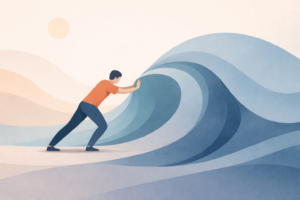
The Myth of Willpower in Addiction Recovery
Recovery is often framed as a matter of motivation. The message can sound simple. If someone wants sobriety badly enough, they should be able to maintain it. When people struggle, they are told to try harder, stay focused, or recommit themselves.
While motivation can play a role in recovery, it is not a reliable foundation for long term change. Motivation fluctuates. It rises and falls with stress, emotions, exhaustion, and life events. Recovery that depends only on feeling motivated becomes fragile during difficult moments, which are inevitable in real life.
Addiction is not a failure of willpower. It is shaped by brain chemistry, emotional regulation, learned coping patterns, trauma, and environment. Treating recovery as a test of determination places unnecessary pressure on people who are already working against deeply ingrained patterns.
Why Motivation Fades Over Time
In early recovery, motivation is often strong. There may be fear of consequences, hope for change, or relief at stopping substance use. Many people feel determined and focused at the beginning.
As time passes, emotional discomfort often increases. Substances may have served as a way to manage anxiety, numb pain, regulate mood, or escape overwhelming thoughts. When those substances are removed, the nervous system has to adjust. Stressors that were previously avoided become more noticeable. Old habits begin to feel familiar and tempting again.
When motivation fades, people often feel confused or discouraged. They may believe something is wrong with them or assume they are failing at recovery. In reality, this phase is common and expected.
Losing motivation does not mean losing commitment. It usually means recovery has reached a point where additional support and structure are needed.
Why Willpower Is Not Enough
Willpower relies on constant self-control. It requires making the same difficult choice repeatedly, even when tired, stressed, lonely, or overwhelmed. For someone in recovery, this can quickly lead to burnout.
Addiction changes how the brain responds to stress and reward. During moments of emotional intensity, the brain tends to default to familiar coping mechanisms. This is not a moral failure. It is a learned survival response.
Recovery becomes more sustainable when it does not depend on moment to moment decision making. Instead of forcing sobriety through effort alone, people benefit from systems that support them when willpower is low.
Structure and Accountability Matter
Structure reduces reliance on motivation. Regular routines, scheduled therapy sessions, and consistent support provide stability even during difficult weeks. Structure creates predictability, which helps regulate the nervous system and reduces impulsive decision making.
Accountability is another essential component. When accountability is supportive rather than shaming, it helps people stay connected to their recovery goals without fear or judgment.
Sarasota Addiction Specialists offers structured outpatient treatment that provides accountability without punishment. Regular clinical support allows people to identify patterns early, process setbacks, and adjust their recovery plan before problems escalate. You can learn more about outpatient care here:
https://www.sarasotaaddictionspecialists.com/outpatient-treatment/
Therapy Addresses the Root Causes of Use
Motivation alone does not address why substances were used in the first place. Therapy helps people explore emotional triggers, stress responses, trauma histories, and avoidance patterns that contributed to addiction.
Individual therapy builds insight and emotional awareness. Group therapy reinforces accountability and connection, helping people feel less isolated in their struggles. Over time, therapy increases emotional capacity, allowing people to tolerate discomfort without turning to substances.
As recovery progresses, sobriety becomes less about forcing oneself to abstain and more about developing healthier ways to cope with life.
Building a Stronger Foundation for Recovery
Recovery supported by structure, accountability, and therapy is far more resilient than recovery driven by motivation alone. When motivation dips, the foundation remains intact. Support systems continue to hold the process together.
If you or someone you love is struggling with addiction, help is available. Sarasota Addiction Specialists provides individualized outpatient addiction treatment in Sarasota, Florida.
Call (941) 444-6560 or visit
https://www.sarasotaaddictionspecialists.com
to learn more about how structured, supportive care can strengthen long term recovery.