


Sobriety Is Not the Same as Recovery
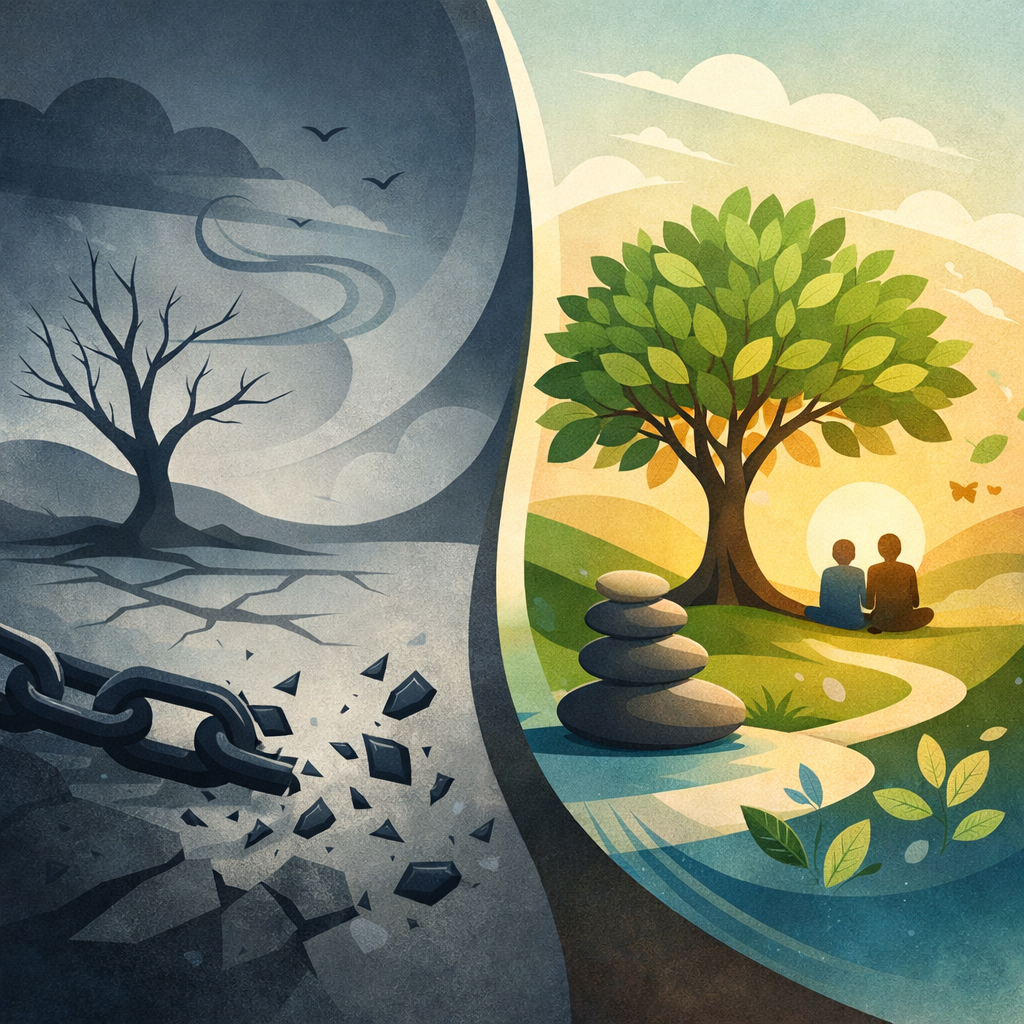
Stopping Use Is Only One Part of Healing Stopping substance use is a major milestone. It often takes courage, commitment, and support to reach that point. But while sobriety is essential, it is not the same thing as recovery. Sobriety means no longer using substances. Recovery goes further. It involves learning how to live differently, […]
Emotional Regulation in Addiction Recovery Is a Learned Skill
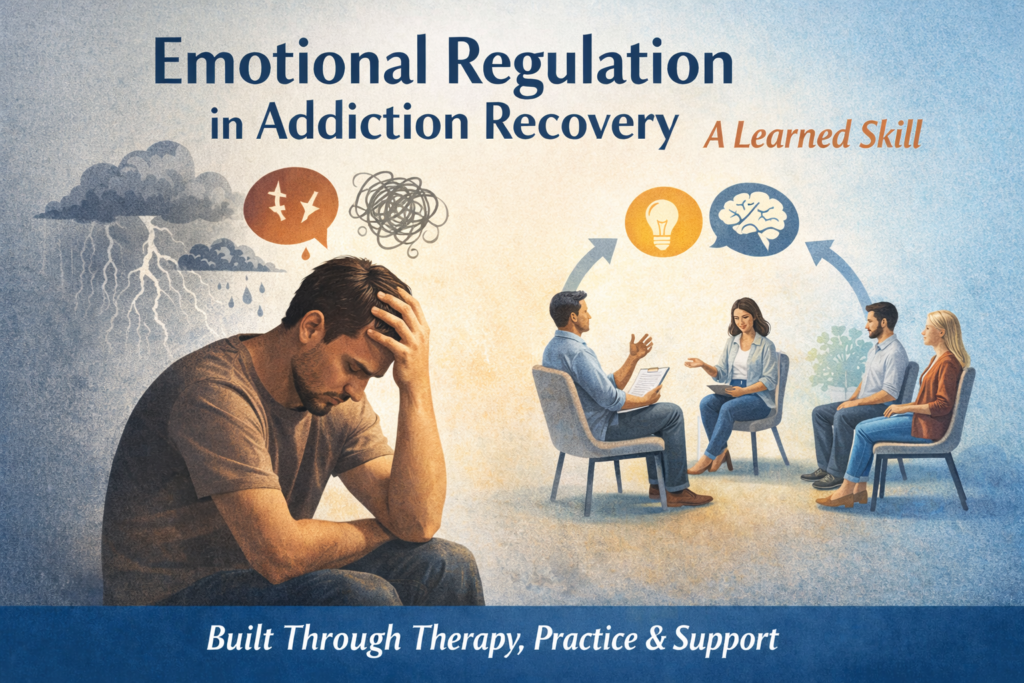
Emotional Regulation Is Not Automatic Many people assume emotional regulation is something a person either naturally has or simply lacks. In addiction recovery, that belief can be especially discouraging. When emotions feel intense, unpredictable, or hard to manage, it is easy to think something is wrong or that progress is out of reach. In reality, […]
The Difference Between Avoidance and Healthy Coping

When Coping Does Not Actually Help In addiction recovery, coping skills are often emphasized. And for good reason. Learning how to manage stress, cravings, and emotional triggers is essential for maintaining sobriety. However, not every coping strategy truly supports healing. Some behaviors reduce distress temporarily while reinforcing avoidance underneath. Avoidance coping can look productive or […]
When Anxiety Increases After You Stop Using

Why Anxiety Can Spike After Sobriety Many people expect to feel immediate relief once they stop using substances. For some, there is relief. But for others, anxiety actually increases in early recovery. This can feel confusing and discouraging. Substances such as alcohol, opioids, benzodiazepines, and marijuana often suppress or numb anxiety in the short term. […]
How Shame Keeps People Stuck in Addiction
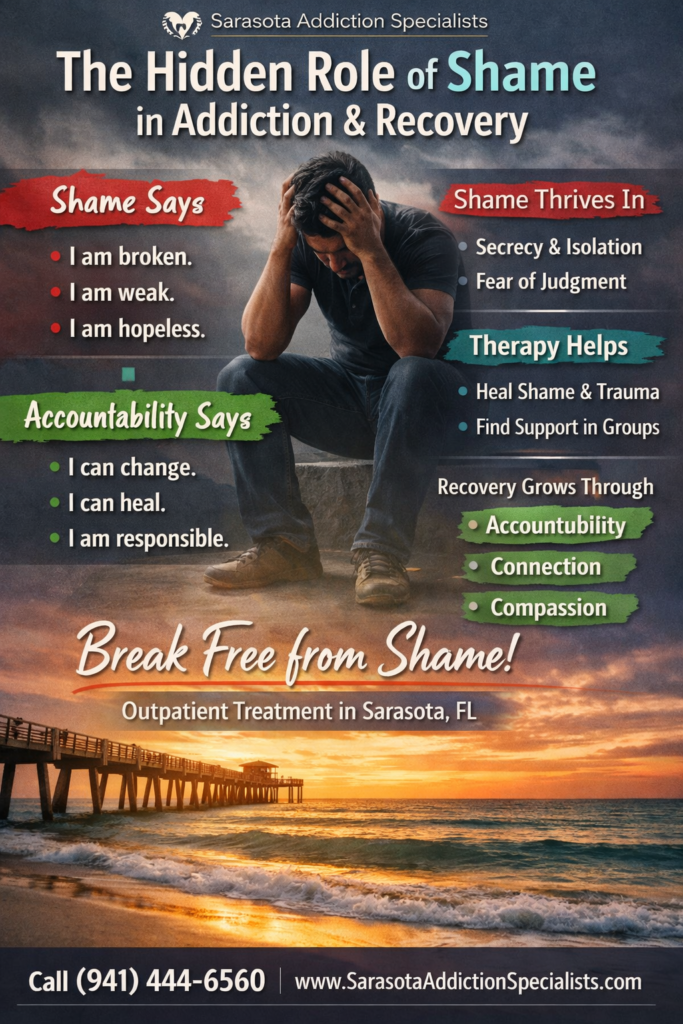
The Hidden Role of Shame in Addiction and Recovery Shame plays a powerful but often unspoken role in addiction. While substance use is frequently discussed in terms of behavior, consequences, or physical dependence, the emotional weight of shame can quietly drive addiction forward and make recovery feel unreachable. Many people struggling with substance use do […]
Rebuilding Self-Trust in Addiction Recovery

How Addiction Erodes Self-Trust Addiction rarely begins with a lack of motivation or care. Most people struggling with substance use genuinely want things to be different. They make plans, set limits, promise themselves they will stop or cut back. When those promises are repeatedly broken, not because of indifference but because of the grip of […]
Why Sobriety Can Bring Up Old Relationship Patterns

When Relationships Start to Feel Different in Recovery Many people expect their relationships to improve immediately after getting sober. They imagine clearer communication, less conflict, and deeper connection. While this does happen for some, others are surprised to find that relationships feel more complicated in early recovery. Old conflicts may resurface. Emotional distance may feel […]
Learning to Sit With Emotions Without Substances
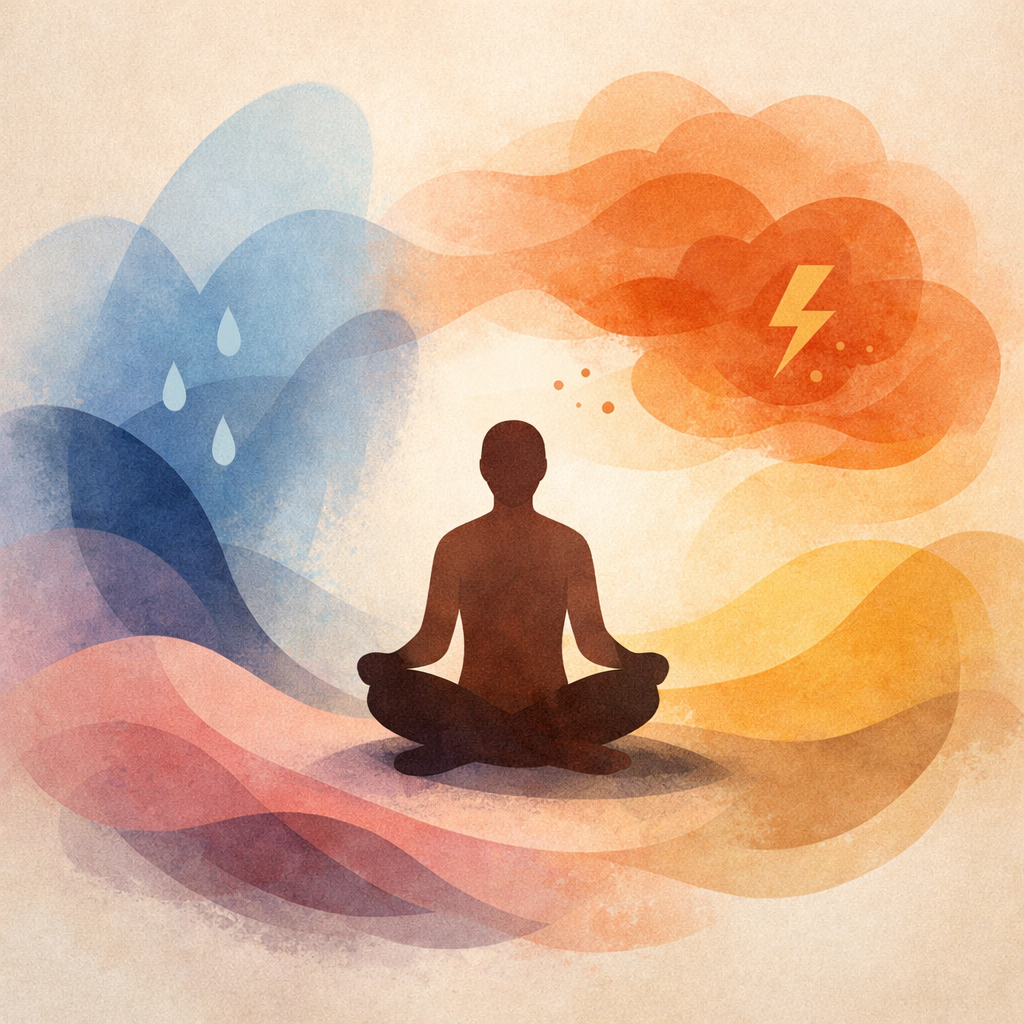
Learning to Sit With Emotions Without Substances Why Emotions Feel Harder in Recovery Substances often act as emotional buffers. They can dull discomfort, quiet anxiety, or provide temporary relief from feelings that feel overwhelming. Over time, this creates a pattern where emotions are avoided rather than processed. When substances are removed, the emotional volume can […]
Why Structure Matters in Early Recovery: Limits of Willpower

The Limits of Willpower in Early Recovery Willpower is often treated as the engine of recovery. The idea is simple. If someone is determined enough, disciplined enough, or strong enough, they can stay sober. When people struggle, they are often told to try harder or recommit themselves. The problem is that willpower is unreliable, especially […]
The Emotional Crash After Sobriety

When Sobriety Feels Worse Before It Feels Better Many people enter recovery expecting immediate emotional relief. They imagine that once substances are removed, anxiety will calm down, mood will stabilize, and life will feel more manageable. When the opposite happens, it can be deeply unsettling. Instead of feeling better, early sobriety can bring sadness, anxiety, […]